

The Fairmount College newsletter is published two times a year. For information, contact Cheryl K. Miller, writer and coordinating editor, at 316-978-6659 or cheryl.miller@wichita.edu.
Photo credits: Cheryl K. Miller; courtesy photos; Wichita State University Libraries, Special Collections and University Archives
Newsletter Section Menu
WSU receives $2.5M for humanities internship program HIRES program benefits humanities majors Faculty couple's love for humanities Dean's message Certificate helps fill need for Spanish interpreters Hall of Fame inductees Annual report Faculty awarded grants Faculty publications Faculty and staff accolades Snappy has launched! Tenure and promotion Student accolades In memoriam
Wichita State receives $2.5 million to launch paid humanities internship program
Wichita State University has been awarded a $2.5 million grant from the Mellon Foundation to create the Wichita HIREs program: Humanities Internships Reward Employers, an initiative designed to expand applied learning opportunities for students pursuing humanities degrees. This transformative grant includes a $1 million matching funds requirement to build a long-term endowment to sustain the program beyond the five-year grant period.
Beginning in the 2026 spring semester, Wichita HIREs will leverage WSU’s established leadership in applied learning to create increased opportunities for humanities students.
While Wichita State students collectively work in more than 12,000 paid positions per academic year, humanities majors account for only 0.5% of those opportunities.
This program will directly address this gap by creating paid internships for approximately 300 humanities students over the life of the grant.
“We are proud to receive this grant from the Mellon Foundation to expand paid applied learning in ways that advance WSU’s mission and directly benefit our community,” said Wichita State President Rick Muma. “This program will showcase to employers across Kansas the tremendous value humanities students can offer.”
Through partnerships facilitated by the Shocker Career Accelerator, students will work with local nonprofits, government agencies and businesses with missions rooted in social justice, community engagement and cultural enrichment. In tandem, they will enroll in classes facilitated by WSU faculty to ensure the internship experiences are academically grounded while emphasizing the essential skills cultivated through humanities courses.
The Mellon Foundation grant will support student internship wages, faculty stipends, program development, student travel and a full-time staff member dedicated to employer engagement and internship coordination.
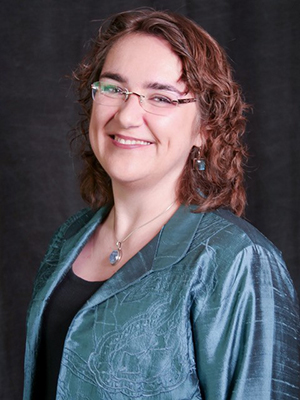
Facilitated by co-principal investigators Sarah Beth Estes, dean of the Fairmount College of Liberal Arts and Sciences, and Lisa Parcell, Kansas Health Foundation director of the Elliott School of Communication, the initiative is designed to create immediate opportunities for students and establish a sustainable funding model.
A $1 million portion of the grant, when matched by private donations, will establish an endowed fund to continue the program after the grant period ends.
“This support from the Mellon Foundation empowers Wichita State to elevate the role of the humanities as a driver for economic, civic and cultural impact,” Estes said. “Wichita HIREs will expand our students’ access to meaningful work experiences and strengthen their connection to important priorities and initiatives in the Wichita community.”
Wichita State University was one of a limited group of select public universities invited to submit a proposal for this grant through Mellon’s Higher Learning program.
Wichita HIREs program benefits humanities majors
The newly established Wichita HIREs program will provide paid internships for humanities students needing applied work experiences that relate to their majors.
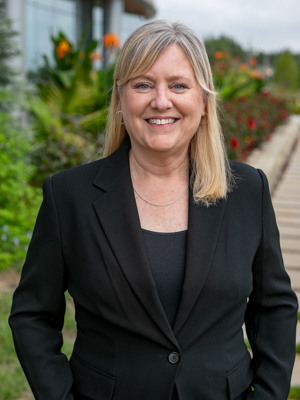
“Wichita HIREs provides the funding to make possible a more extensive selection of humanities-based internship opportunities for humanities majors. The grant essentially bridges the gap in funding to provide more opportunities for our humanities students,” Sara Muzzy, director of applied learning at the Shocker Career Accelerator, said. “There are fewer applied learning opportunities for students in the humanities, and this is because the non-profit organizations that support the humanities cannot afford to pay interns the way for-profit enterprises in, for example, business and engineering can.”
Wichita State HIREs students will earn $15/hour for 10 or more hours of work per week. They will also enroll in internship credits, depending on their program needs.
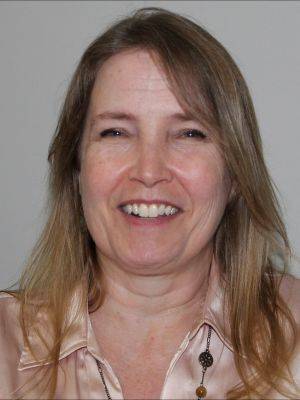
Susan Castro, associate professor of philosophy, is grateful for the expanded possibilities now available to students seeking experiences that support their career goals. Castro is currently developing on-campus internships for philosophy majors, who traditionally have found few relevant paid applied learning opportunities. These internships will focus on bioethics and philosophy of medicine, pre-law, and philosophy of science.
“We can finally offer more equitable paid applied learning opportunities to students in the humanities,” Castro said. “We’re working hard to create meaningful placements that align academic humanities education with what our students really want to do with their lives.”
Eligibility for the Wichita HIREs internships are limited to undergraduates who are studying art history, cultural anthropology, communication studies, English language and literature, history, linguistics, modern and classical languages and literatures, musicology, philosophy, religion, theatre, and qualitative sociology. Students in interdisciplinary field majors with an emphasis in one of these areas, including women’s, ethnicity and intersectional studies, are also eligible.
Wichita HIREs began rolling out on-campus internships during the 2026 spring semester. Additional off-campus internships are being planned for the summer with the Wichita-Sedgwick County Historical Museum and the Wichita Symphony Orchestra.
Faculty couple’s commonalities include Mellon grants and love for humanities
Lisa and Will Parcell have many things in common, but getting humanities grants from the same funding agency probably wasn’t something they predicted.
Lisa is a professor and Kansas Health Foundation Director of the Elliott School of Communication. Her husband Will is an associate professor of geology and former department chair. They are recipients of funding from the Mellon Foundation, a philanthropic organization that supports the arts and humanities.
How did two non-humanities professors obtain Mellon grants?
“Mellon funds a diversity of ideas and approaches,” Lisa said. “We are humanities people hiding out in science and social sciences.
“I think the humanities impact every discipline. Understanding the human interactions between people in your discipline is critical,” Lisa said. “You can’t just work in isolation in your little field and not have an understanding of human connections of the people working in your field, the history of your discipline and how it impacts and relates to political situations.”
Will agrees.
“I don’t think any discipline can survive without a solid understanding of how the humans that came before and are in it now impact that discipline,” Will said. “You need to understand the economic factors, the political factors, the religious—these factors play into everything. From the humanities, the collection of works during the Renaissance and the new ideas or old ideas that were rediscovered ended up creating the environment for the blooming of science, engineering and medicine.”
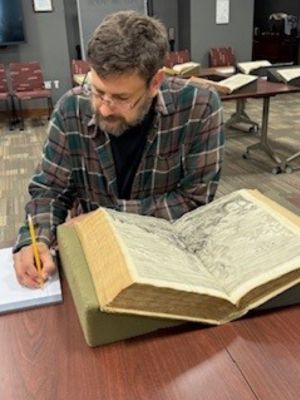
Lisa is co-principal investigator for the $2.5 million Wichita HIREs grant, which will provide paid applied learning opportunities for undergraduate students in the humanities. Will is the recipient of a Mellon Foundation History of Science Fellowship that will support his research on Athansius Kircher, a 17th Century German Jesuit intellectual whose interests ranged from geology and math to birdsong and religion. Will has already used part of his travel grant to examine Kircher’s significant works and those of his contemporaries at the University of Oklahoma’s History of Science Collections.
Both Parcells were on sabbatical during the spring semester and used their humanities orientations to better understand important historical figures.
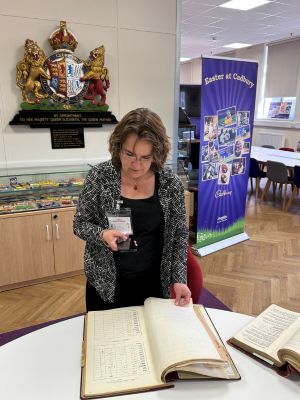
Lisa studies media history advertising and public relations for the promotion of American food products made between 1880-1960. She traveled to Bournville, England at Eastertime to visit the Cadbury Archives. John Cadbury was one of the chocolate Titans of the 20th Century, and he developed a utopian town based upon Quaker principles. The other Titan, Milton S. Hershey, a Mennonite, built the Hershey chocolate empire, which included the utopian development of Hershey, Pennsylvania.
“I want to explore the parallels between the two chocolate Titans of the world,” Lisa said, “and how they used their personal morals and understanding of a society to shape their business practices to create a chocolate empire.”
Will further explored Kircher’s writings. During his sabbatical he spent two weeks at the Gregorian Archives in Rome to examine Kircher’s correspondence with Gottfried Wilhelm Leibniz, René Descartes and several Jesuit scholars. He plans to share his knowledge of Kircher with students in his geology classes. They will learn how Kircher and other early scientists tried to understand the world around them.
“Geology, in its traditional sense, is a historical science. We go out to a rock outcrop and find little bits of data, and then we have to create a narrative,” Will said. “I will bring up how early scientists created narratives about the history of the Earth. Students get a perspective of how things were done in the past, and in the process, we see how politics and religion and various things have influenced the understanding of the natural world around us.”
When not on sabbatical, the Parcells live in Wichita. They have two sons, Grant and Austin, and two cats, Merlin and Arthur.
Dean's message
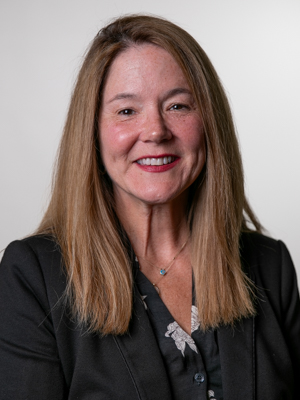
Dear Fairmount College faculty, staff, alumni and friends:
This spring I was asked to speak at the bi-annual meeting of the National Advisory Council on the topic of “ideas that move us forward.” A central theme from that conversation is that at the time that higher education is being asked to define its relevance in increasingly practical terms, the labor market continues to highlight that the most enduring and valuable skills are the distinctly human ones that a liberal arts and sciences education helps develop.
Across sectors, from healthcare, to engineering, to business, we are hearing a consistent refrain: while technical skills remain essential, they are not sufficient. Employers are telling us that their greatest gaps are in areas like communication, problem solving, ethical reasoning, and teamwork in complex human/machine environments.
This is not a marginal issue. It is a structural challenge in the workforce and an opportunity for institutions like ours to lead. This is why the Mellon Foundation humanities grant that you will read about in these pages is so important.
At a university that has long prioritized applied learning, we recognized a critical gap: Humanities students have historically had fewer opportunities to engage in funded, work-based learning because many of the humanities-identified sectors, like the arts, cultural organizations, and non-profits, often lack the resources to support internships at scale. The Mellon grant allows us to change that.
Through this initiative, called Wichita HIREs (Humanities Internships Reward Employers), we are building a network of meaningful, funded placements. This spring, students contributed across campus and in the community, supporting mental health initiatives, working in technology transfer, partnering with social work and public health programs, and collaborating with organizations like Alce su Voz, which works to improve health outcomes for Spanish and Indigenous language speakers. Over the summer, students will also engage with cultural institutions — such as the Wichita Symphony Orchestra and the Wichita-Sedgwick County Historical Museum — and we are in conversation with industry parters to expand these prospects even further.
The opportunity to engage in meaningful work-based learning is a commitment we have to all of our students in the Fairmont College of Liberal Arts and Sciences, because we know applied learning is about more than workforce preparation. Classroom-to-careers experiences enhance students’ abilities to engage in their lives thoughtfully to ask better questions, to understand perspectives different from their own, and to find meaning in complexity. These experiences ensure that in a rapidly changing world, liberal arts and sciences graduates are prepared to imagine and build what comes next.
Supporting Wichita HIREs
If you would like to support Wichita HIREs with a private gift, please contact Matt Fisher, associate director of development, at matthew.fisher@wichita.edu, or (316) 978-3078.
Your gift will help expand access to paid internships; support approximately 65 internships per year; strengthen community partnerships; and secure the future of Wichita HIREs.
Sarah Beth Estes
Dean of Fairmount College and professor of Sociology
Wichita State certificate helps fill the need for Spanish interpreters
Briana Rodriguez grew up in a home where Spanish was predominantly spoken. In trying to help Spanish-speaking relatives understand what was being said in English, she sometimes stumbled on the Spanish language’s nuances.
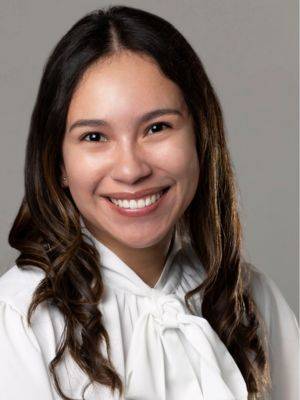
“There were times I had to interpret for my grandfather, and the feeling of being stuck while searching for the right word was very challenging,” Rodriguez, a senior double majoring in biological sciences and Spanish, said. “Those experiences motivated me to improve my Spanish.”
Her early life experiences influenced her decision to learn how to interpret. She believes these skills will help her when she is a dentist, so she is also working towards completion of the Spanish for the Professions certificate.
“I truly believe I have a responsibility to improve my Spanish so that I can better serve and care for Spanish-speaking patients in the future,” Rodriguez said.
Recent national surveys reflect the need for Spanish interpreters.
According to the Pew Research Center, 71% of U.S. Latinos ages 5 and older spoke English proficiently in 2024, an increase from 59% in 2000. The 2024 American Community Survey revealed that in Wichita, 13.7% of the population ages 5 or older could speak Spanish. Of that population, 60.6% responded that they spoke English “very well.”
Wichita State offers the Spanish for the Professions certificate to aid students who want to be able to translate or interpret skillfully, according to Julie Henderson, associate educator of Spanish and certificate coordinator. Many of the students who pursue the certificate need to develop more specific language skills and expertise for their future careers.
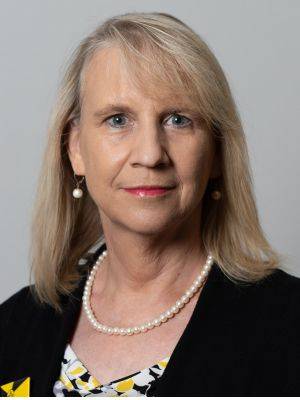
“Some of the students are interested in becoming interpreters, while others plan to use the language in their field of expertise. There is a large demand for qualified translators and interpreters,” Henderson said. “It is true that online translators have improved in recent years, but AI cannot be trusted to fully translate, and certainly not interpret, in all situations due to nuances, cultural aspects, and dialectical variations that machines do not yet recognize. People are still necessary in such sensitive areas as health and legal situations, when human lives may be affected, or even saved or lost, by the decisions made in translating and interpreting.
Rodriguez has been in several settings where she’s been able to do interpreting work, including dentistry.
“At my former job with Advanced Education in General Dentistry, I interpreted during dental exams and procedures, helping facilitate communication between providers and Spanish-speaking patients,” Rodriguez said. “One of my favorite experiences has been interpreting at Kansas Mission of Mercy, a weekend event where dental providers from across Kansas come together to offer free dental care. It brings together my passion for dentistry and service, especially in support of the Spanish-speaking community.“
Certificate students learn about using Spanish in medical, legal and business contexts, Henderson said, each of which requires a certain cultural understanding and different vocabulary.
Rodriguez has had her share of challenges and joys while interpreting for others. The challenges have pushed her to continue to improve her Spanish and expand her vocabulary.
“I often feel frustrated when I cannot immediately think of the right word in Spanish or when I realize that what I said may not be completely accurate, even though it was the best way I could express it in the moment,” she said. “Interpreting requires quick thinking and precision, and it can be difficult when you want to make sure both sides fully understand each other.
Henderson, a native speaker of English who worked for 20 years as a translator in Chile, agrees.
“Even speaking a language does not guarantee the ability to listen to one language and immediately or simultaneously produce the same idea in another,” Henderson said.
Rodriguez said her greatest joy is being able to help Spanish-speaking individuals. They are grateful, and she feels as though she is making a difference in someone else's life. She recalled one experience she had at the Kansas Mission of Mercy.
“At KMOM this year, I assisted a Spanish-speaking patient while she was having her teeth extracted. She was very frightened and in the middle of the procedure, she reached out and grabbed my hand,” Rodriguez said. “I spoke words of encouragement to her and stayed by her side, supporting her throughout the process. It meant a lot to me to know that speaking to her in her native language was able to bring her comfort and and help her receive the care she needed.”
Rodriguez realized that she has grown personally and learned about herself while interpreting for others.
“I have learned to think on my feet. There are many times when I don’t know a specific word in Spanish, so instead I try to describe the meaning in another way to make sure the message is still understood," Rodriguez said. “Through this experience, I have also learned to be patient with myself. As a student, I have realized that adopting a growth mindset is much more productive than being overly critical of myself when I make occasional mistakes. Language is something that is always evolving, and there will always be more to learn. I see that as a blessing and an opportunity to continue improving.”
—Kierra Koeber, graduate student in communication, contributed to this article.
Three outstanding alumni inducted in the Fairmount College Hall of Fame
A physicist, a prosecutor and a military appeals judge were the honored inductees of the 2026 Fairmount College Hall of Fame on Feb. 3. Induction into the Fairmount College Hall of Fame is the highest recognition of outstanding alumni who have had a significant impact on the region, nation and world.
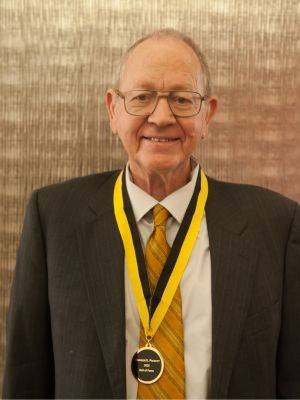
Warren E. Pickett (1969, 1971, BS-physics and mathematics, MS-physics) was raised with 10 siblings on a dairy farm near Rose Hill, Kansas. He became interested in physics when he was a young boy. His older brothers helped stoke his fascination: one built and flew U-controlled airplanes, and another taught him about complex numbers. After evening milking, they would build various apparatuses in the basement.
While a student at Wichita State, Pickett majored in physics and math. He cites Joseph Strecker as one of his most influential faculty mentors. He introduced Pickett to many-body theory and served as his master’s thesis advisor. Additionally, Skip Loper offered him his first teaching opportunity as the instructor of an entry-level physics class for employees of local airplane companies.
Upon leaving Wichita State, Pickett moved to New York to study theoretical condensed matter physics at Stony Brook University. After postdoctoral appointments at the University of Bristol; the University of California, Berkeley; and Northwestern University, he joined a condensed matter theory group at the Naval Research Laboratory in Washington, DC. After 18 years there and rising to the position of senior scientist, Pickett joined the physics department at the University of California, Davis.
Over his career, much of Pickett's research has revolved around computational implementations of the density functional approach to understanding the electronic behavior of solids at the microscopic level. His many scientific achievements include demonstrating formally the possibility of single spin superconductivity in a half-metallic antiferromagnet, and providing the explanation for the surprising 40 Kelvin superconductivity in magnesium diboride only four months after its discovery.
Pickett's research has been supported by the Naval Research Laboratory, the Office of Naval Research, the U.S. Department of Energy, and the National Science Foundation. His professional service activities include chair of the Division of Condensed Matter Physics for the American Physical Society and serving on the scientific advisory boards of the Max Planck Institute, and the Oak Ridge, Argonne, and Ames national laboratories. His international outreach and mentorships have included universities in Iran and Malaysia, and the coordination of conferences held in Tunisia, Morocco, South Korea and Germany. He has participated in research teams at the Department of Energy and the National Science Foundation.
Two of Pickett's many recognitions include the E. O. Hulbert Award and the Sigma Xi Technical Achievement Award in Pure Science, the top two scientific awards presented by the Naval Research Laboratory. He is a fellow in the American Association for the Advancement of Science; the Institute of Physics, United Kingdom; and the American Physical Society. He has also been a Watkins Visiting Professor, returning to Wichita State in 2009 to give a lecture on electron behavior in strongly correlated oxides.
Pickett earned his doctorate in physics at Stony Brook University. He retired as a distinguished professor emeritus in the Department of Physics and Astronomy at UC Davis in 2021.
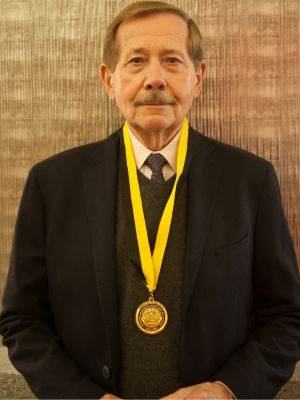
Robert E. Shields (1968-political science) grew up on a beef and grain farm east of Derby, Kansas. He enrolled at Wichita State, majoring in political science and getting involved in several organizations, including the University Debate Society and the Student Government Association.
Three individuals were especially influential for Shields when he was a Wichita State student. Quincalee Brown, the debate coach, and Marvin Cox, assistant coach, worked with him daily, honing his debating skills and traveling with the team to tournaments around the country. Shields's hard work paid off when he and debate team partner Lee Thompson won the 1968 National Debate Tournament in Washington, DC. His skills were also recognized by the speech society, Delta Sigma Rho-Tau Kappa Alpha, when they selected him as the national Student Speaker of the Year.
Shields also credits Jim Rhatigan, former dean of students and Student Government Association advisor, as playing a key role in his development as a student leader when Shields was president and vice president of the student body. Shields served twice as SGA president, and was involved in several other student organizations, including Beta Theta Pi fraternity. He was selected as a Senior Honor Man in 1968.
Upon graduating from Wichita State, Shields attended New York University School of Law. He was an editor of the NYU Law Review, a contributing author to the Annual Survey of American Law, the Law School Moot Court Champion, and a member of NYU's National Moot Court Team, which placed second at the national finals. After earning his degree and passing the necessary bar exams, he started his law career at firms in Los Angeles and Wichita. In the mid-1970s, he moved to Atlanta, beginning his career in Georgia at Kilpatrick and Cody. After 16 years, he became a founding partner of Doffermyre Shields Canfield & Knowles LLC and practiced there for the remainder of his career.
Known for his vigor and tenacity in the courtroom, Shields tried more than 200 civil jury cases and litigated cases in 20 states. Considered an expert on hazardous waste and toxic torts, during his career Shields took on difficult cases against heavyweights such as the RJ Reynolds and Phillip Morris tobacco companies, as well as Georgia Power Company and Oglethorpe Power Corporation. Notably, he served as lead counsel in one of America’s earliest major environmental cases. Representing more than 1,200 residents of Triana, Alabama, Shields went up against the Olin Corporation, which was alleged to have dumped the deadly toxins DDT and PCB in Indian Creek, upstream from the community.
A few of Shields's many career recognitions entail Best Lawyers in America, “Georgia Superlawyer” by Atlanta Magazine, National Trial Lawyers Top 100, Litigation Star by Benchmark Litigation, and Leader in Litigation in Georgia by Chambers USA’s Leading Business Lawyers. Greenlaw presented him with the Ogden Doremus Award for Excellence in Environmental Law. Wichita State honored him with its Distinguished Alumni Award in 1996, and he was its commencement speaker in 1997.
Shields holds a juris doctorate from New York University School of Law. He retired from Doffermyre Shields Canfield & Knowles LLC in 2024.
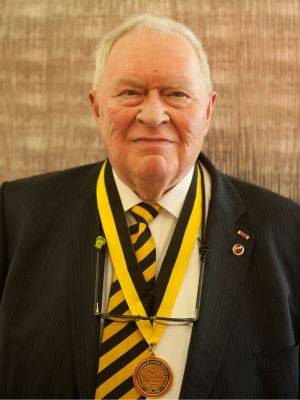
Scott W. Stucky (1970, BA-history) grew up on a dairy farm near Pretty Prairie, Kansas. Self-described as a shy intellectual, he threw himself headlong into activities his first semester at Wichita State, starting with pledging to the Sigma Phi Epsilon fraternity.
A history major, Stucky joined the Student Government Association. He served as SGA president for one term and credits Jim Rhatigan, former dean of students, as one of the most influential people of his time at Wichita State. From Dean Rhatigan, he gained wisdom of how to work with large organizations, maintaining calm and aplomb while sorting through numerous emergencies to find the most important one.
Stucky's faculty mentors included Phil Thomas and Martin Reiff, history professors; Mira Merriam, art history professor; and Katherine Griffith, the political science professor whom he considered a great scholar and teacher of political theory.
Stucky's other student activities included the University Debate Society, and selections as Senior Honor Man and Outstanding Greek. He also served in the Reserve Officer Training Corps, which was the introduction to his military career.
Stucky graduated from Wichita State with a commission as a second lieutenant in the U.S. Air Force Reserve. He then attended Harvard Law School, passed the Kansas bar exam, and went on active duty as a judge advocate in the Air Force, serving in San Antonio, Texas; U-Tapao, Thailand; and Syracuse, New York. After leaving active duty, he practiced with a Washington, D.C., law firm and then served as a branch chief with the U.S. Nuclear Regulatory Commission.
For 21 years, Stucky served in the Air Force Reserve as a judge advocate individual mobilization augmentee and was appointed three times as an appellate military judge on the Air Force Court of Criminal Appeals. He also served two years as the senior IMA in Washington, D.C., responsible to the Judge Advocate General for the training and readiness of 120 reservists.
In 1983, Stucky became a civilian legislative counsel for the Department of the Air Force, and later its principal legislative counsel. Thirteen years later, Stucky served as general counsel of the Senate Committee on Armed Services, and was the principal legal officer for its majority side. As counsel, he was responsible for 10 consecutive National Defense Authorization Acts. He retired from the Air Force Reserve as a colonel in 2003. In recognition of his outstanding military service, Stucky was presented with the highly prestigious Legion of Merit as well as the Meritorious Service Medal.
To cap his legal career, Stucky was appointed by President George W. Bush to the U.S. Court of Appeals for the Armed Forces in 2006. He served as an appeals judge for nine years until he became the court’s chief judge, and he held that position for four years. He transitioned to senior judge in 2021 and maintains this position.
In 2022, the Wichita State University Alumni Association recognized him with its Alumni Achievement Award, and a year later, he returned to Wichita State as commencement speaker.
Stucky holds a juris doctorate from Harvard Law School. Additionally, he earned a master’s degree in history from Trinity University and a master’s degree in international law from George Washington University.
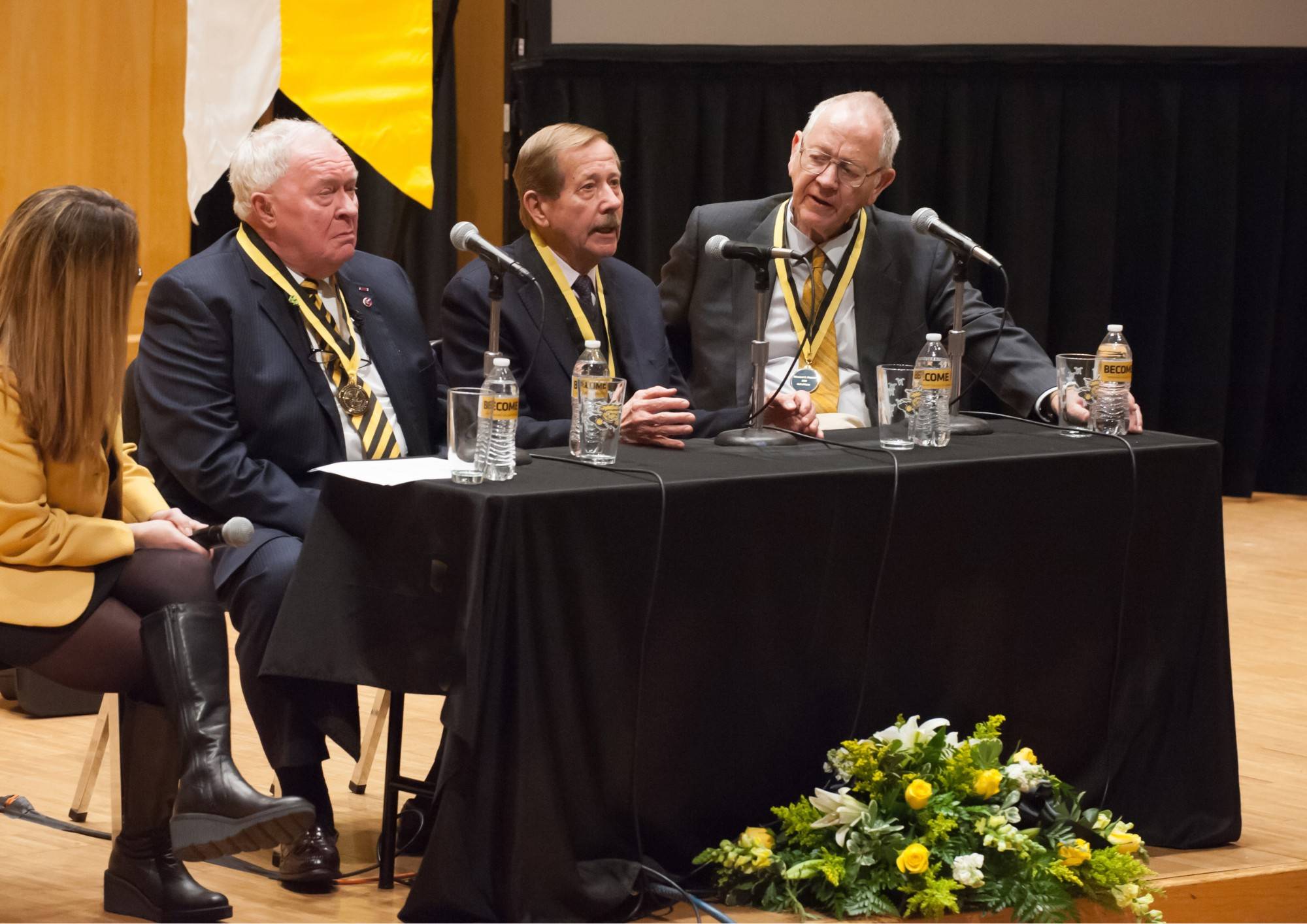
Robert Shields answers a question about his education and career preparation
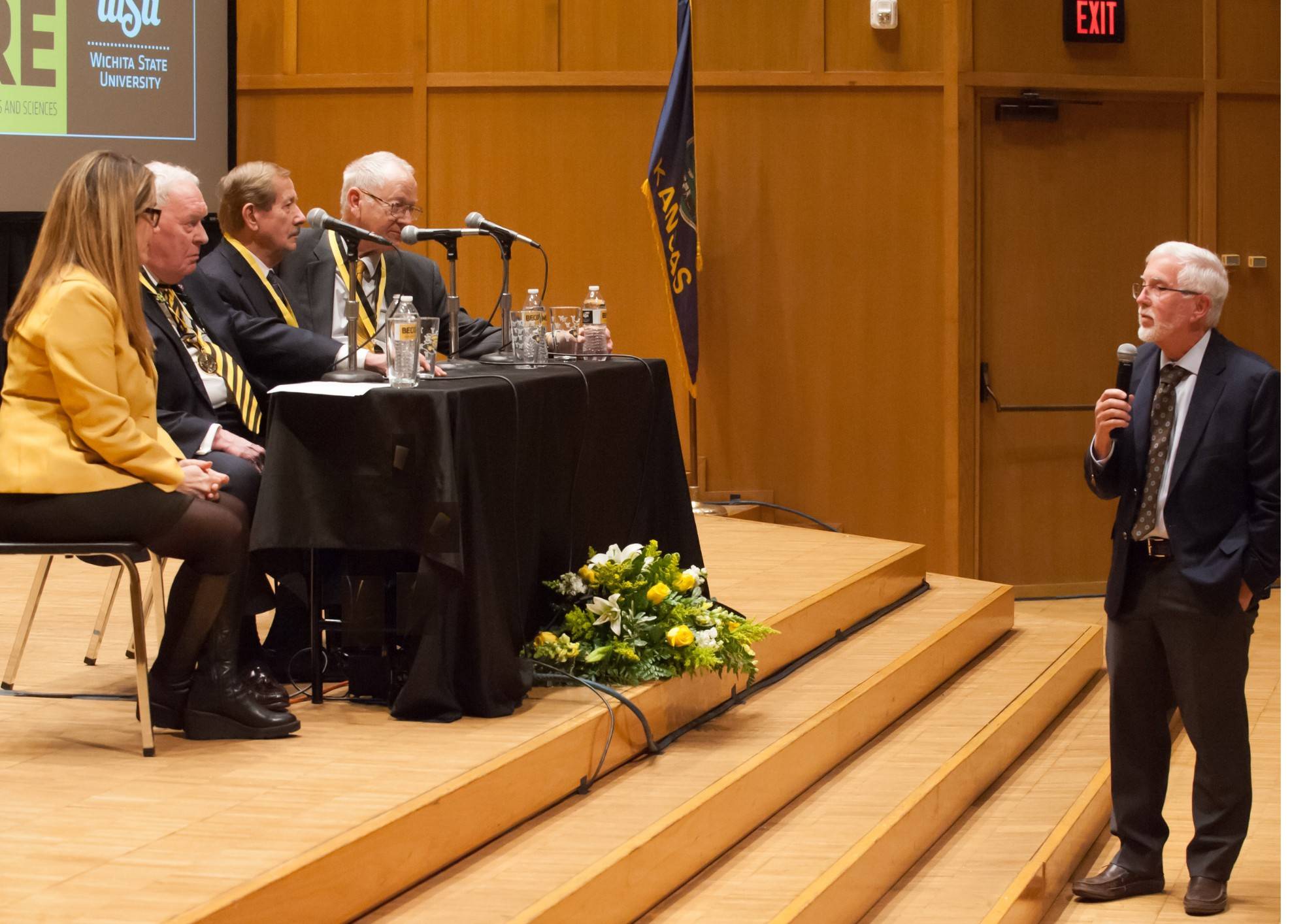
Bill Simon, 2025 inductee, asks panel members a question.
Annual report
Academic initiatives
Aug. 1, 2025– July 31, 2026
- Approved nearly 100 curricular changes (degrees and certificates, new courses, and course redesigns)
- Approved 488 courses to meet the college graduation competency requirements
- Streamlined degree tracks in undergraduate programs in the School of Criminal Justice
- Piloted offerings of English and Math Pathway courses with supplemental sections offered in fall 2025 and spring 2026 semesters
- Opened the Robert L. Cattoi Book Technologies Lab
- Streamlined curriculum in the Department of Philosophy to eliminate bottlenecks for students in their degree progression
- Restructured bachelor’s and master’s curriculums in the School of Social Work to include fewer required courses
Academic programs offered
Aug. 1, 2025– July 31, 2026
- 2 associates
- 51 bachelors
- 21 masters
- 3 doctorates
- 32 certificates
The Fairmount College of Liberal Arts and Sciences continues to grow and provide new academic program offerings.
Our graduates complete their programs having gained the hard-earned skills of critical thinking, analyzing, problem-solving, collaborating, listening and communicating. Our students are equipped to pursue a lifetime of fulfillment in the workplace and in society.
About the college
- 17 departments:
- 4 Humanities
- 8 Social/Behavioral Sciences
- 5 Natural Sciences/Mathematics
Faculty
Jan. 6, 2026
- 201 faculty
- 137 tenured or tenure-track
- 64 non-tenure track
Students
Sept. 9, 2025
- 7,143 total students
- 6,627 undergraduates
- 40,374 credit hours
- 516 graduates
- 4, 106 credit hours
- 6,627 undergraduates
As the largest college at Wichita State University, we offer the greatest diversity of programs, so all students can find something to fit their interests. For those who want a more individualized program of study, academic advisors can help students tailor a bachelor of general studies degree or a field major — both of which include focus on three content areas.
Undergraduate major headcounts by division
Sept. 9, 2025
- Humanities: 318
- Social/Behavioral Sciences: 1,795
- Natural Sciences/Mathematics: 712
Undergraduate degree production by college division
Aug. 1, 2024 – July 31, 2025
- Humanities: 69
- Social/Behavioral Sciences: 380
- Natural Sciences/Mathematics: 112
- LAS Other*: 221
* Interdisciplinary degrees, bachelor and associate degrees not affiliated with a department.
Ways we support students outside of the classroom
Liberal Arts and Sciences advising contacts
Jan. 1 – Dec. 31, 2025
- Advising appointments: 6,735
- Triage meetings: 371
- Campus visits: 78
Our academic advisors do more than show students how to build schedules. They also help students understand the purposes of higher education; define and develop unique abilities, goals, and aspirations; clarify values and educational and life goals; define realistic academic and professional goals; and create an individual academic plan of study for the student’s selected major. The LAS Advising Center offers in-person and virtual advising appointments.
Scholarships awarded
Aug. 1, 2023-July 31, 2025
- 2025: $798,456 – 447 awards
- 2024: $803,473 — 482 awards
- 2023: $811,326 — 480 awards
Scholarship support can make the difference for students who want to enroll in college. Our generous donors have made scholarships possible for hundreds of students.
Fundraising
July 1, 2024 to June 30, 2025
- Undergraduate scholarships (current plus endowed): $2,502,600
- Graduate assistantships and fellowships: $287,281
- Other program initiatives: $1,274,869
Other program initiatives include projects that are not in direct assistance to students, faculty or staff, such as a speaker series or providing lab equipment.
Thank you for your financial support of Fairmount College!
Social media
Followers or subscribers as of April 30, 2026
- Facebook, started in 2015 | 995
- Instagram, started in 2023 | 470
- X, started in 2016 | 381
- YouTube, started in 2020 | 77
We use social media channels to inform our followers of upcoming events, study tips, majors and careers, important deadlines and current event discussions.
Faculty awarded grants
July 1, 2024 - June 30, 2025
| Principal Investigators | Department or Unit | Funding Agency | Amount in $ |
|---|---|---|---|
| James Beck | Biological Sciences | Bureau of Land Management | $26,000 |
| Rachel Showstack | Modern and Classical Languages and Literatures | Kansas Department of Health and Environment | $45,000 |
| Rachel Showstack | Modern and Classical Languages and Literatures | U.S. Department of Health and Human Services | $375,000 |
| Tonya Bronleewe | Hugo Wall School, Environmental Finance Center | Environmental Protection Agency | $798,447 |
| Mathew Muether | Physics | U.S. Department of Energy | $63,000 |
| David Guo | Hugo Wall School | Guv Guy Consulting | $40,000 |
| James Beck | Biological Sciences | Institute for Applied Ecology | $4,000 |
| William Groutas | Chemistry and Biochemistry | National Institutes of Health | $967,532 |
| Andrew Swindle, Xiaoheng Wang, Gisuk Hwang | Geology, Hugo Wall School, Mechanical Engineering | Kansas State University/Kansas Water Institute | $50,000 |
| Coleen Pugh | Chemistry and Biochemistry | U.S. Agency for International Development | $200,000 |
| Nick Solomey, Holger Meyer | Physics | NASA | $180,663 |
| Rachel Showstack | Modern and Classical Languages and Literatures | National Endowment for the Humanities | $128,332 |
| Darren DeFrain | English | National Endowment for the Humanities | $142,028 |
| Alexandre Shvartsburg | Chemistry and Biochemistry | National Science Foundation | $43,026 |
| Janet Twomey, David Eichhorn, Rhonda Lewis, Moriah Beck, Linnea GlenMaye | Dean's Office, Chemistry, Biochemistry, Psychology, Provost's Office | National Science Foundation | $1,000,000 |
| Mathew Muether | Physics | Department of Energy | $99,019 |
| Anand Sharma, Amy Chesser, Amanda Sharma | Public Health Science, Environmental Finance Center | Regional Institute on Aging | $15,420 |
| Kandatege Wimalasena | Chemistry and Biochemistry | Regional Institute on Aging | $15,000 |
| Delores Craig-Moreland, Rhonda Lewis | Criminal Justice, Psychology | Sedgwick County | $53,000 |
| Delores Craig-Moreland, Rhonda Lewis | Criminal Justice, Psychology | Sedgwick County | $27,833 |
| Rhonda Lewis | Psychology | Substance Abuse and Mental Health Service Administration | $1,873,567 |
| Matthew Howland | Anthropology | National Science Foundation | $49,955 |
| Andrew Swindle | Geology | National Science Foundation/EPSCoR | $50,000 |
| William Hendry | Biological Sciences | National Institutes of Health/KINBRE | $315,000 |
| James Bann, Moriah Beck | Chemistry and Biochemistry | National Institutes of Health/KINBRE | $21,000 |
| Li Yao | Biological Sciences | National Institutes of Health/KINBRE | $7,772 |
| Raj Logan | Biological Sciences | National Institutes of Health/KINBRE | $109,200 |
| Tonya Bronleewe | Hugo Wall School, Environmental Finance Center | Environmental Protection Agency | $580,000 |
| Rachel Showstack | Modern and Classical Languages and Literatures | Kansas Health Foundation | $100,000 |
| Maojun Gong | Chemistry and Biochemistry | Flossie West Memorial Trust | $30,500 |
| Lisa Parcell, Jeffrey Jarman | Elliott School of Communication, The Research Partnership | Multiple contracts | $102,800 |
| Lisa Parcell, Jeffrey Jarman | Elliott School of Communication, The Research Partnership | Blue Cross and Blue Shield of Kansas | $171,000 |
Faculty publication activity
Jan. 1- Dec. 31, 2025
9 books 16 book chapters 103 journal articles
All citations in this annual report are abbreviated and for the calendar year 2025. Although there may be multiauthor works, only Fairmount College faculty authors appear in this bibliography.
Books
School of Criminal Justice
- Yu, S. The Art of Criminal Profiling. Kindle Edition.
Department of English
- Okafor, C. The Chutzpah of Crossing. Amazon Publication.
Department of Geology
- (Parcell, W.,) Kircher, A., Iter Exstaticum II [Ecstatic Journey II]. Republic of Letters Press. (Original work published in 1657)
- (Parcell, W.,) Kircher, A., Itinerarium Exstaticum [Ecstatic Journey] Volume 1. Republic of Letters Press. (Original work published in 1656)
- (Parcell, W.,) Kircher, A., Itinerarium Exstaticum [Ecstatic Journey] Volume 2. Republic of Letters Press. (Original work published in 1656)
- (Parcell, W.,) Kircher, A., Historia Eustachio Mariana [Eustachian-Marian History]. Republic of Letters Press. (Original work published in 1665)
Department of History
- Hayton, J. (ed.)Socialist Subjectivities: Queering East Germany under Honecker. University of Michigan Press.
- Price, J. LGBTQ Wichita. Arcadia.
School of Social Work
- Ocean, M. Critical Participatory Action Research in Higher Education: For Us by Us. Routledge.
Book Chapters
Department of Anthropology
- Kreinath, J. Alawite politics of religious secrecy: Dynamics of dissimulation and concealment among a religious minority in Hatay, Turkey. In Religious Secrecy as Contact: Secrets as Promoters of Religious Dynamics. Brill.
- Kreinath, J. İnsanlık Onurunun Peşinde: Hatay Antakya'da 6 Şubat 2023 Depremleri ve Dinlerarası İlişkiler Üzerindeki Etkileri. Deprem Sonrası Antakya: Tanıklıklar, Miras ve Gelecek. Istanbul: Istos.
Department of Biological Sciences
- Loganathan, R. Significant progress in stem cell treatment for Alzheimer’s disease: A critical review. In Handbook of Regenerative Medicine: Stem Cell-based Approach. CRC Press.
Department of History
- Hayton, J. Beyond the black hole: 1989 and the narration of East German history. In Socialist Subjectivities: Queering East Germany under Honecker. University of Michigan Press.
- Hayton, J. Making punks: Subculture and engagement in late socialist East Germany. In Socialist Subjectivities: Queering East Germany under Honecker. University of Michigan Press.
- Lasine-Thelle, R. Deuteronomy, the Deuteronomistic history, and the books of Joshua through Kings. In The Oxford Handbook of the Book of Deuteronomy. Oxford University Press.
- Lasine- Thelle, R. Introduction: A madattu for Mesopotamia. In Jehu's Tribute: What Can Biblical Studies Offer Assyriology. University Park, Pennsylvania: Eisenbrauns.
- Schroer, H. From sumptuary laws to glam squads: Clothing and identity in the Spanish Empire and the Real Housewives of Beverly Hills. In Historians on Housewives: Fashion, Performance, and Power on Bravo TV. The University of North Carolina Press.
Department of Political Science
- Shaw, C. Simulating international organizations. In Teaching International Organizations. Edward Elgar Publishing.
Department of Psychology
- Slade, S. Leadership academy: Fostering honors faculty growth through peer-to-peer learning. In Where Honors Education and Faculty Development Meet. Lincoln, NE: National Collegiate Honors Council.
School of Social Work
- Ocean, M. Nothing without us! Working in community with disabled persons. In Contemporary Issues in Human Services: Special Topics for Clinical Practice, Public Health, and Social Justice. Routledge.
- Ocean, M. CPAR: Making the case for a new era of CPAR in US higher education contexts. In Critical Participatory Action Research in Higher Education: For Us by Us. Routledge.
- Ocean, M. Anti-oppressive critical participatory action research and ethics in U.S. postsecondary education. In Critical Participatory Action Research in Higher Education: For Us by Us. Routledge.
- Ocean, M. Coding through the tenets of critical race theory. In Critical Participatory Action Research in Higher Education: For Us by Us. Routledge.
Department of Sociology
- Pearson, J. Adolescent sexuality. Wilkinson and Pearson Adolescent Sexuality Handbook. Springer Science + Business Media.
- Pearson, J. Adolescent Sexuality. In Second International Handbook on the Demography of Sexuality. Springer.
Journal articles
Department of Anthropology
- Dozier, C. Special Issue: Report for the 2019-2022 Archaeological Investigations at the Boxed Springs Site (41UR30). Caddo Archeology Journal.
- Dozier, C. Caddo Archeology Journal.
- Dozier, C. Shovel Test Pit Surveys. Caddo Archeology Journal.
- Dozier, C. Past Investigations at the Boxed Springs Site. Caddo Archeology Journal.
- Dozier, C. Excavation Units. Caddo Archeology Journal.
- Dozier, C. Consolidated Radiocarbon Results. Caddo Archeology Journal.
- Dozier, C. Caddo Archeology Journal.
- Dozier, C. Visual representation of gender in Archaeology Magazine (1948-2020). Public Archaeology.
- Kreinath, J. Die Erdbeben vom Februar 2023 und das kulturelle Erbe interreligiöser Beziehungen in Antakya (Antiochien): Reflexionen zu einem relationalen Begriff der Menschenwürde. Zeitschrift für Religions- und Geistesgeschichte.
- Saboo, K. The hip hop box, the stranger, and the Indian shopkeeper: Nearness-distance in ethnographic fieldwork. Qualitative Research Journal.
Department of Biological Sciences
- Beck, J. Morphological and genetic analysis of herbarium specimens clarify the arrival of non-native common reed. Journal of the Botanical Research Institute of Texas.
- Beck, J. Being ghosted: Determining the progenitor genomes and biogeographic origin of the invasive fern giant salvinia. Biological Invasions.
- Houseman, G. Restoring grassland legumes using overseeding can depend on seed spatial structure. Restoration Ecology.
- Houseman, G. Spatial structure of a soil-borne fungal plant pathogen in an untilled grassland: insights using new analytical tools. Fungal Ecology.
- Houseman, G. and Jameson, M. Nestling condition of a grassland bird is not associated with food availability in restored grasslands. Avian Conservation and Ecology.
- Jameson, M. Temperature and dung availability drive intraspecific dung beetle body size across grassland grazing regimes. Ecological Entomology,
- Luhring, T. The effects of brines relevant to Mars and the ocean worlds on bacterial growth reflect salt-specific responses across water activity. Archives of Microbiology.
- Luhring, T. Predation risk creates unexpected migration decisions in a nonhoming semelparous fish. Animal Behaviour.
- Russell, F. Microsite availability, not floral herbivory, limits recruitment in peripheral native thistle populations. Ecosphere.
- Schneegurt, M. Abundance, isolation, and characterization of salinotolerant bacteria in a spacecraft assembly facility. International Journal of Astrobiology.
- Schneegurt, M. The effects of brines relevant to Mars and the ocean worlds on bacterial growth reflect salt-specific responses across water activity. Archives of Microbiology.
Department of Chemistry and Biochemistry
- Beck, M. Multimodal deep learning for predicting protein ubiquitination sites. Bioinformatic Advances.
- Beck, M. Integrated structural model of the palladin-actin complex using XL-MS, docking, NMR, and SAXS. Protein.
- Gong, M. Imaging and simulation study of electrokinetic supercharging in flow-gated capillary electrophoresis. Analytical and Bioanalytical Chemistry.
- Wang, J. A one-pot method in water to synthesize a new cyanurate K(H2C3N3O3)·H2O with large birefringence. Dalton Trans.
- Wang, J. Large Negative Magnetoresistance in off-Stochiometric Topological Semimetal PrSbTe. Phys. Rev. B.
- Wang, J. Synthesis, Crystal Growth, Linear, and Nonlinear Optical Properties of Water-Grown Giant Optical Anisotropic Thiocyanates ABi(SCN)4 (A = Rb, Cs). Crystal Growth and Design.
- Wu, H. Genetically encoding ε-N-methacryllysine into proteins in live cells. Nature Communications.
Elliott School of Communication
- Parcell, L. “Yeast for health:” A cure for boils, acne, constipation, and plummeting sales. American Journalism.
Department of English
- DeFrain, D. Survey study of blind and low-vision readers of multimodal materials. Journal of Blindness Innovation and Research.
- Menon, M. Aphasia in South Asian languages (ASAL) study: A protocol of connected speech tasks to investigate cross-linguistic grammatical profiles in aphasia for South Asian languages. Aphasiology.
Department of Geology
- Swindle, A. Enhanced performance of Bi2S3/TiO2 heterostructure composite films for solar cell applications. Journal of Photochemistry and Photobiology.
Department of History
- Hayton, J. The path of gratitude: East German climbers in North Korea’s Diamond Mountains. German Studies Review.
- Weems, Jr., R. Doing business in Plains sight: Researching comparative entrepreneurship in Wichita, Kansas. Great Plains Quarterly.
Hugo Wall School of Public Affairs
- Butcher, J. The 2024 Rainbow Wave: Tracking LGBTQ+ representation in state legislatures. The Forum.
- Butcher, J. Out with the old, in with the Republicans? The partisan push of legislative term limits. Journal of Policy History.
- Butcher, J. Stronger: Learning from Nevada’s women-led legislative majority. Legislative Studies Quarterly.
- Glaser, M. Collaborative community-based public education and neighbourhood schools: Assessments of racial harmony and issues of equity. The Innovation Journal.
- Guo, D. Disclosure of tax abatement: State governments’ compliance with the Governmental Accounting Standards Board Statement 77. Municipal Finance Journal.
- Guo, D. Using public–private partnerships for political reasons: The government’s motivation and conditions. Public Management Review.
- Wang, X. Examining the impact of tax and expenditure limitations on financial condition of major American cities. Public Finance and Management.
- Wang, X. Using experimental vignettes to study how survey methods and findings affect the public's evaluation of public opinion polls: Considering a Dual Process Approach. Survey Research Methods.
- Wang, X. Concerns and collaboration around infrastructure resilience in rural and urban places. State and Local Government Review.
- Wang, X. A comparative study of municipal fiscal responses to the COVID-19 and the Great Recession. Chinese Public Administration Review.
Department of Mathematics, Statistics and Physics
- Behrman, E. Robust and scalable quantum repeaters using machine learning. MDPI Information: Information.
- Behrman, E. Reducing single-qubit gate complexity using machine-learned microwave pulses. Academia Quantum.
- Bukhgeym, A. Continuation of solutions of elliptic systems from discrete sets with applications to inverse problems. Journal of Inverse and Ill-Posed Problems.
- Dao, M. Bayesian quantile semi-parametric mixed-effects double regression models for analyzing longitudinal data with non-ignorable missing responses. Statistical Analysis and Data Mining.
- Fraser, R. Sharp Fourier decay estimates for measures supported on the well-approximable numbers. Annales Fennici Mathematici.
- Grady, D. Cohomotopy and flux quantization in M-theory. Journal of Geometry and Physics.
- Green, C. Numerical computation of Stephenson’s g-functions in multiply connected domains. Journal of Mathematical Analysis and Applications.
- Green, C. Harmonic-measure distribution functions of multiply connected domains with various geometries. Proceedings of the Royal Society A.
- Green, C. and M. A computational method for multiple steady Hele-Shaw bubbles in planar domains. Electronic Transactions on Numerical Analysis.
- Jeffres, T. Gauss curvature flow on surfaces of revolution: A noncompact case. Boletin de la Sociedad Mexicana Matematica.
- Kwon, Y. Enhancing students’ understanding of variance estimation through the lens of the bias-variance trade-off: From sample variance to improved insight. International Journal on Engineering, Science and Technology
- Kwon, Y. Changes in the determinants of adult literacy level: A decision tree-based comparative analysis of 2014 and 2023. The Korean Journal of Lifelong Education.
- Lin, Y. A fourth-order Cherrier-Escobar problem with prescribed corner behavior on the half-ball. Journal of Differential Equations.
- Lu, T. Inverse gravimetry by multipole expansions. Inverse Problems.
- Lu, T. Strictly positive definite functions on spheres. Journal of Approximation Theory.
- Ma, C. Time-varying random elds on arccos-quasi- quadratic metric space. Theory of Stochastic Processes.
- Ma, C. Uniform error bounds of Kriging interpolants of Gaussian random elds on metric spaces. Journal of Multivariate Analysis.
- Ma, C. Vector random fields on the arccos-quasi-quadratic metricspace. Stochastics.
- Meyer, H. Gamma ray detection efficiency of GAGG crystal scintillator using three tagged gamma ray techniques. Nuclear Instruments and Methods in Physics Research Section A: Accelerators, Spectrometers, Detectors and Associated Equipment.
- Meyer, H. and Muether, M. Dual-baseline search for active-to-sterile neutrino oscillations in NOvA. Physical Review Letters.
- Meyer, H. and Muether, M. The track-length extension fitting algorithm for energy measurement of interacting particles in liquid argon TPCs and its performance with ProtoDUNE-SP data. Journal of Instrumentation.
- Meyer, H. and Muether, M. Measurement of d²σ/d|q|dE_avail in charged-current ν_μ–nucleus interactions at ⟨E_ν⟩ = 1.86 GeV using the NOvA Near Detector. Physical Review D.
- Meyer, H. and Muether, M. Monte Carlo method for constructing confidence intervals with unconstrained and constrained nuisance parameters in the NOvA experiment. Journal of Instrumentation.
- Meyer, H. and Muether, M. Neutrino interaction vertex reconstruction in DUNE with Pandora deep learning. European Physical Journal C.
- Meyer, H. and Muether, M. Supernova pointing capabilities of DUNE. Physical Review D.
- Nasser, M. Fast computation of analytic capacity. Computational Methods and Function Theory.
- Nasser, M. Constrained maximization of conformal capacity. Computers and Mathematics with Applications.
- Nasser, M. Fast implementation of generalized Koebe's iterative method. Mathematics.
- Nasser, M. A computational method for multiple steady Hele-Shaw bubbles in planar domains. Electronic Transactions on Numerical Analysis.
- Searle, C. Linear bounds for the lengths of geodesics on manifolds with curvature bounded below. Journal of Geometric Analysis.
- Zeyani, A. Second Hankel determinant for a bi-univalent function subclass based Gegenbauer (ultraspherical) polynomials. European Journal of Pure and Applied Mathematics.
- Zeyani, A. Fekete-Szegö and second Hankel determinant for a certain subclass of bi-univalent functions associated with Lucas-Balancing polynomials. International Journal of Neutrosophic Science.
Department of Philosophy
- Hill, S. Strawsonian hard determinism. Journal of Philosophy.
- Hill, S. Algorithm evaluation without autonomy. AI and Ethics.
- Hill, S. Particularism and the conventional wisdom revisited. Social Epistemology Review and Reply Collective.
- Hill, S. Why people who believe in God fear death. Analysis.
- Hill, S. Classical theism and universalism. International Journal for Philosophy of Religion.
- Lu, X. Forgetting the self in the Zhuangzi. Asian Philosophy.
Department of Political Science
- Azpuru, D. “Avances y déficits en la participación política en Guatemala” (Progress and Deficits in Political Participation in Guatemala). Revista Espacios Politicos.
- Hall, M. Re-examining socio-economic conditions and democracy. Journal of Developing Areas.
Department of Psychology
- Abubshait, A. Can humanoid robots be used as a cognitive offloading tool? Cognitive Research: Principles and Implications.
- Abubshait, A. Express: the impact of humanoid robot’s presence on human’s cognitive control in a stop signal task. Quarterly Journal of Experimental Psychology.
- Chaudhary, N. The role of mother-daughter relationships in shaping femininity among Indian immigrant women. Feminism and Psychology.
- Chaudhary, N. Beyond the silhouette: Meanings and manifestations of femininity among Indian and Pakistani immigrant women in the United States. Qualitative Psychology.
- Lewis, R. Adverse childhood experiences, substance use and the challenges of help-seeking among college students living in the Midwest. Journal of Child and Adolescent Trauma.
- Lewis, R. Lessons learned from a grassroots harm reduction effort to prevent drug overdose deaths. Journal of Prevention and Intervention in the Community.
- Lewis, R. Harm reduction perspectives Kansans to Kansans: A thematic analysis. Journal of Prevention and Intervention in the Community.
- Sato, T. Dissociation of subjective and objective measures of trust in vehicle automation: A driving simulator study. Frontiers in Future Transportation.
- Slade, S. Development of an honors leadership academy experience. Honors in Practice.
- Slade, S. Reflections from the road: Exploring student outcomes and perceptions of an undergraduate honors leadership academy. Journal of Leadership Education.
- Zettle, R. The role of dispositional rule-following and metaphors about psychological flexibility on operant schedule control. Behavioral Sciences.
- Zettle, R. Psychometric properties of the self-as-context scale with a university counseling sample. Behavioral Sciences.
School of Social Work
- Ocean, M. Black MSW students’ experiences at a historically and predominantly white university: A participatory qualitative investigation. Social Work Education.
- Ocean, M. Critiquing the community college stigma through the disability justice principles. Community College Journal of Research and Practice.
- Tadesse, A. Help-seeking behaviors and depression symptoms among low-income female participants of village savings groups in Mozambique. Social Science and Humanities.
Department of Sociology
- Hertzog, J. Insights on intimate partner violence service provision, access, and utilization during the COVID-19 pandemic: A Scoping Review. Journal of Family Violence.
- Hertzog, J., Hill, T., and Simon, J. Navigating digital dating: Experiences and perceptions of mid- and later-life adults. Journal of Elder Policy.
- Pearson, J. School supports, community context, and LGBTQ youth school belonging and safety. International Journal of LGBTQ+ Youth Studies.
- Pearson, J. Eating disorders among LGBTQ+ youth in Kansas: Relationships with mental and physical health concerns and family, school, and community climates. Sexual and Gender Diversity in Social Services.
Faculty and staff accolades
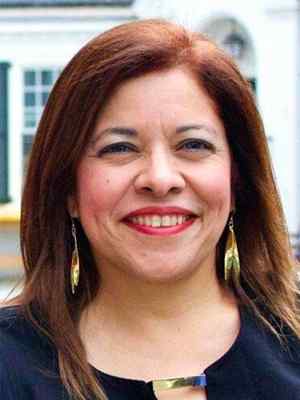
Dinorah Azpuru, professor of political science, gave the keynote address to launch the winter portion of the Centre pour l'étude de la Citoyenneté démocratique - CECD-CSDC Speaker Series. The Centre for the Study of Democratic Citizenship is a consortium of ten Québec universities in Canada, including McGill, Université de Montréal, Concordia, and Laval, focused on democratic citizenship research, training future scholars, and addressing democratic challenges through interdisciplinary study.
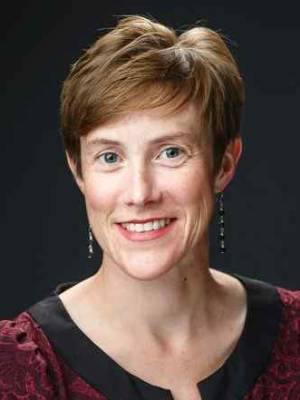
Moriah Beck, Talaty Endowed Professor in chemistry and biochemistry, was elected as a 2025 American Association for the Advancement of Science fellow for advancing the understanding of the cellular mechanisms of actin filament organization in eukaryotic cells, and for her efforts in public and community outreach. She was also presented with the IDeA Networks of Biomedical Research Excellence Outstanding Mentorship and Biomedical Training Award, which recognizes individuals from INBRE programs who demonstrate excellence in mentoring and teaching undergraduate and graduate students. Additionally, she was presented Wichita State’s Excellence in Research Award, given to a faculty member who has established an exemplary and demonstrable record of research that has not only enhanced the faculty member's career, but has also advanced the university's research mission.
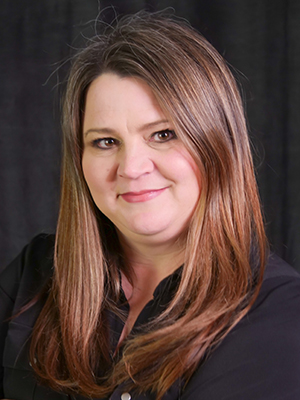
Amy DeVault, senior educator in communication, was named a Faculty Champion by the Center for Community News. The award recognized her efforts to involve students in the Wichita Journalism Collaborative and to explore other ways to create news-academic partnerships that help fill gaps in community journalism and provide more applied learning experiences for students.
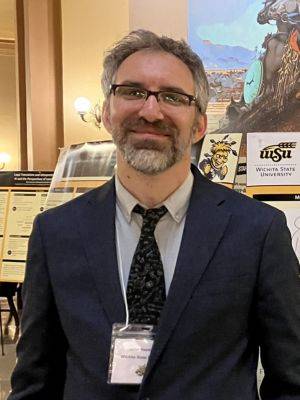
John Hammond, senior educator in mathematics and statistics, received the 2026 Sunflower Award for Corequisite Innovation. The award recognizes Kansas faculty leaders who advance student access and success by implementing corequisite reform. Aligned with the Kansas Board of Regents’ strategic plan, the award highlights efforts that remove barriers to gateway course completion and strengthen students’ progress toward degree completion.
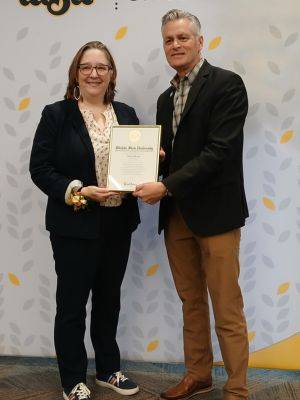
Robin Henry, professor of history, received the President's Distinguished Service Award, which
recognizes faculty and staff for exemplary, dedicated and caring service to the Wichita
State community. She and President Muma appear in the photo above.
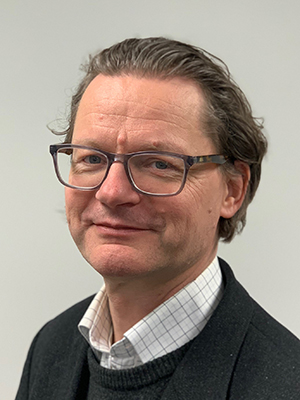
Jens Kreinath, associate professor of anthropology, was invited to participate on a panel about conditions for religious minorities at the International Religious Freedom Summit in Washington, DC.
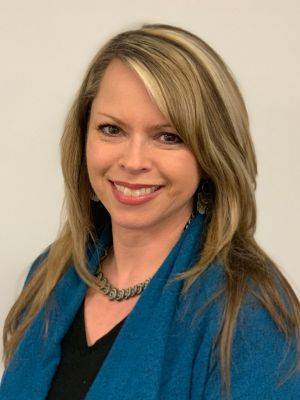
Rachelle Meinecke, assistant educator and director of the Lowell Holmes Museum of Anthropology, was elected vice president of the Kansas Museum Association.
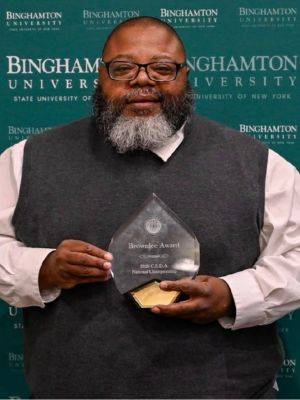
Phillip Samuels, assistant professor of communication and director of debate, was recognized at the National Debate Tournament with the George Ziegelmueller Award, which recognizes individuals who have distinguished themselves in the communication profession while coaching debate teams to competitive success. At the Cross Examination Debate Association national tournament, he was recognized with the Brownlee Award, which is presented to a forensic educator who demonstrates outstanding achievement in scholarship, education, and service to CEDA.
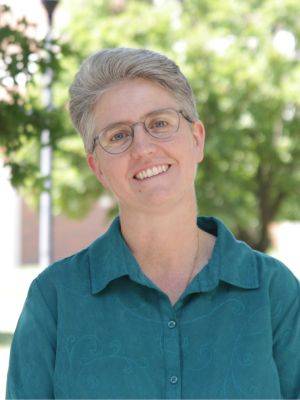
Carolyn Shaw, professor of political science, received the John R. Barrier Distinguished Teaching Award. It recognizes faculty with a well-established record of excellence in teaching; an impact on the lives and career choices of students; and the ability to apply the results of research or the experience of community or professorial service to enliven teaching and enrich the understanding of students.
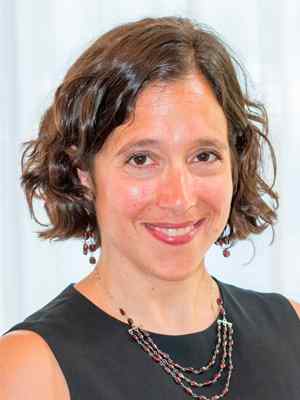
Rachel Showstack, associate professor of Spanish, delivered the keynote presentation at the 13th National Symposium on Spanish as a Heritage Language in Lubbock, Texas. She was also recently elected as the executive director of the Linguistic Association of the Southwest.
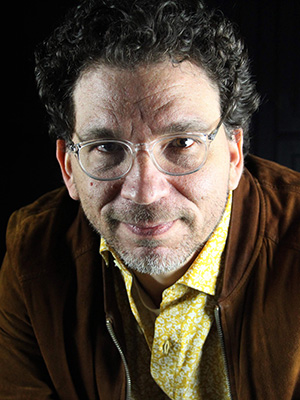
Sam Taylor, professor of creative writing, won the Excellence in Creative Activity Award, which recognizes a faculty member who has established an exemplary and demonstrable record of creative activity that has not only increased the faculty member's reputation, but has also brought recognition to Wichita State.
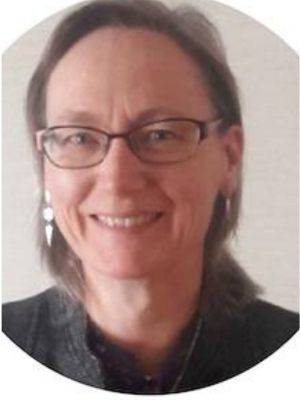
Rannfrid Lasine Thelle, professor of religion, delivered the presidential address for the Scholars of Biblical
and Related Literatures, at the Southwest Commission for Religious Studies Conference
in Irving, Texas.
Aubrey Wolfe, assistant educator in mathematics, won the TRIO Disability Support Services Lighthouse Award for outstanding support of DSS students and collaboration with its program.
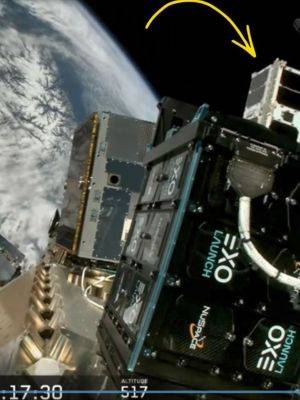
Nick Solomey and Holger Meyer, professors of physics, and their students, held a watch party for the launch of SNAPPY (Solar Neutrino Astro-Particle PhYsic), a multi-year CubeSat project they have been working on. SNAPPY will carry and test the neutrino detector in low-Earth orbit to measure the rate of cosmic and gamma rays and perform experiments with solar neutrinos that are not possible from Earth. SNAPPY is funded by NASA Innovative Advanced Concepts. Photo credit: NASA.
Tenure and Promotion Activities, 2025-2026
2025-2026 Tenure, Promotion and Professor Incentive Review
Chase Billingham, promotion to professor, sociology
Jim Bann, promotion to professor, biochemistry
Bill Groutas, professor incentive review, chemistry
Jodie Hertzog, promotion to professor, sociology
Rachel Heckman, promotion to senior educator, mathematics
Twyla Hill, professor incentive review, sociology
Kerry Jones, professor incentive review, English
Quan Lei, tenure and promotion to associate professor, psychology
Mathew Muether, promotion to professor, physics
Mohamed Nasser, tenure and promotion to associate professor, mathematics
Brigitte Roussel, promotion to professor, French
Rannfrid Lasine Thelle, promotion to professor, religion
Xiaoheng Wang, tenure and promotion to associate professor, public affairs
Student accolades
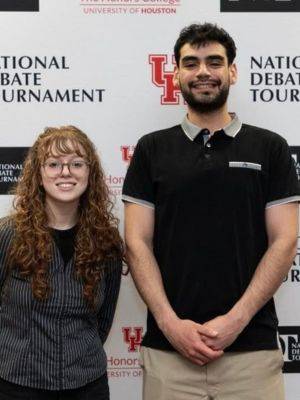
Marianne Griffith, media arts, and Miguel Molina-Chavez, psychology, competed at the National Debate Tournament, finishing as the 31st seed with a 4-4 record. The team also competed at the Cross Examination Debate Association national tournament, with a 5-3 record. Molina-Chavez also finished as CEDA’s second-place speaker.
Conner Murphy, senior in biological sciences, received the William H. Swett Prize for Efficiency, which is attained by the student with the highest GPA during their last year at Wichita State. Factors such as the highest number of completed upper-division courses and extracurricular involvement are also considered in the selection process.
David Rich, senior in chemistry, received the RosaLee and Alvin Sarachek Award for Scholarly Excellence in the Natural Sciences. It is given to a graduating senior who has demonstrated intellectual acuity, scholarly breadth and achievements in science as an undergraduate student.
The following graduating seniors were recognized for Senior Honors, having strong recommendations from the faculty in their departments, high grade point averages, and records of engagement and involvement on campus: Rebekah Aeschliman, English; Zayd Bakdash, political science; Claire Maybee, communication; Riley McMillan, biological sciences; Kiara Ochoa, social work; David Rich, chemistry.
Wichita State’s Ethics Bowl team placed seventh in the regional Intercollegiate Ethics Bowl, with an overall record of 2-1. Undergraduate students Cynthia Chidziwo, biomedical engineering; Isla Running, philosophy; and Monique Bever, philosophy, competed. Fellow team members Hannah Grill, finance, and Sebastian Martinez, criminal justice, also helped to prepare for the competition. The team was coached by Colby Clark, visiting assistant professor of philosophy.
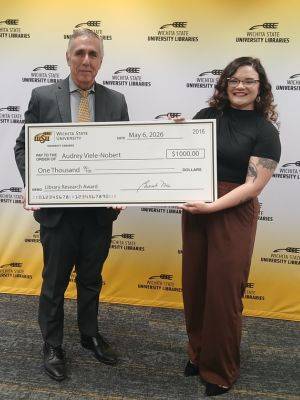
Audrey Viele-Nobert, graduate student in social work, won the Library Research Award for her project, "Researching resilience: Exploring humor in trauma-informed social work."
Graduate students in anthropology were recently recognized for their achievements. Jami Ecklund, received a Native Student Award from the Plains Anthropological Society, recognizing her high career trajectory and aspirations. Nautika Richards, was awarded the Donna C. Roper Research Grant from the Plains Anthropological Society for her radiocarbon dating work at the Etzanoa site. Kaitlyn Reis, received the Dora Wallace Hodgson Outstanding Graduate Student Award for academic excellence at the master's level.
In memoriam
Vladimir Butnev, research scientist, Department of Biological Sciences, died April 20. He was 75.
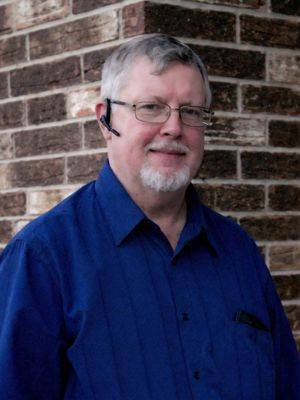
Harry Andrew “Andy” Marshall, IV, technology support specialist, Department of Mathematics, Statistics and Physics, died March 22. He was 61. A memorial has been established with Kansas Masonic Foundation, 221 SW 33rd Street, Suite 100, Topeka, KS 66611-2431..
Richard Todd, associate professor emeritus of history, died Dec. 8. He was 98. Memorial gifts may be made to Wycliffe Bible Translators, PO Box 628200, Orlando, FL 32862.
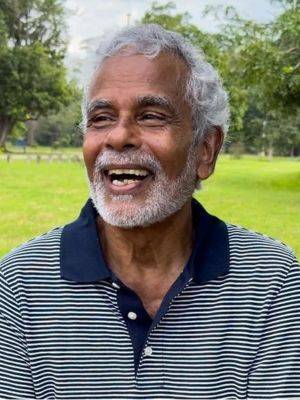
Kandatege Wimalasena, professor of biochemistry, died April 30. He was 74. Memorials may be made to the Great Plains Nature Center, 6232 E. 29th St. N. Wichita, KS 67220-2200.