Wichita State University seeks an innovative, engaged and collaborative leader to be its next Senior Executive Vice President and Provost.
Finalists Information
Finalists information will be released just prior to their appearances on campus and will appear in this space listed in alphabetical order.
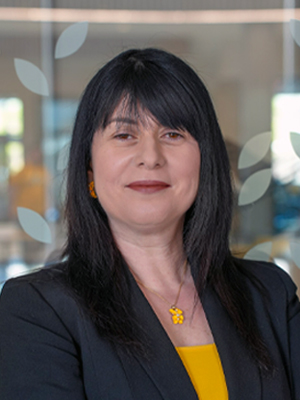
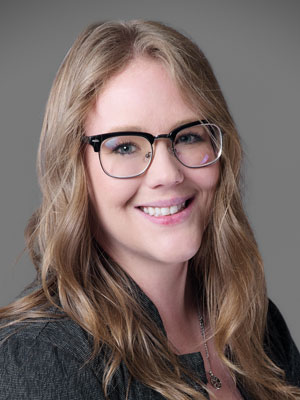
Leslie Atkins Durham, Ph.D.
Dean, College of Arts and Sciences,
Boise State University
Candidate Open Forum: 3:30 p.m. Thursday, October 24, in 110 Woolsey Hall, Boettger Auditorium.

Durham
Cover Letter
Dear Members of the Search Committee,
Please accept this letter of application for Wichita State University’s Senior Executive Vice President and Provost. Wichita State’s commitment to access and affordability; its increasingly diverse student body; its elevation of applied learning; and its emphasis on innovation make me excited by this opportunity. I would be honored to have the chance to collaborate with your impressive community to accelerate your progress in reaching your strategic goals, and I bring the skills, experiences, and personal qualities to lead a complex, forward-looking university as it continues its upward, innovative trajectory.
My vision for the future of higher education aligns well with Wichita State’s priorities. Higher education is in a period of profound change, and the forces driving that change are rapidly intensifying. The cost of higher education is outpacing household incomes, and students and families are rightly concerned with graduates’ future prospects: we must help our students chart a path beyond completion to economic prosperity. Technology is changing the ways we learn, work, and connect in profound ways: our pedagogy needs to evolve in response so that our students can lead future industries and sustain healthy communities. Student demographics have changed: our institutions need to foster belonging and ensure success for a diverse student body so all students can seize the transformational opportunity higher education provides. Competition for prospective students will intensify in the next few years, and resources and revenue will become more precarious: we must rethink our business models while staying true to our values.
The vision I’ve described is grounded in my professional background and more than a decade of experience in administration in a complex academic unit that is as large and diverse as an independent small university. The college I lead enrolls 5,345 undergraduates and 364 graduate students. It includes 20 departments spanning the arts, humanities, social and natural sciences. I oversee 216 part-time faculty, 224 full-time staff, 378 full-time faculty, and their broad range of activity in 30 campus buildings. My college provides 84% of Boise State’s general education curriculum; it offers more than 200 majors, minors, emphases, and certificates in face-to-face and online modalities; and it includes more than 30 graduate programs, which help to advance a thriving research portfolio leading to more than $26M in expenditures last year. My $54M appropriated budget is the largest in Academic Affairs, and my success in fundraising totaled $8.8M last year. Below I’ll integrate an overview of my experience with the key opportunities and challenges that your position description outlines for your next Provost.
Provide visionary academic leadership and deepen community engagement
I have inspired my colleagues to innovate--in what had been the university’s most traditional college-- quickly and collaboratively. I led an inclusive, consensus-based strategic planning process, inviting faculty and staff to collaborate on our mission and vision statements, our goals and tactics, and our metrics. Once the plan was drafted and vetted by the college, I formed implementation groups to put the plan to work. We’ve completed three years of the plan, and our accomplishments include a college strategic enrollment and retention plan aimed a closing equity gaps for four key students groups that often intersect: Pelleligible, first-generation, rural, and Latinx students; an expansion of upper-division technical advising that seeks to improve our retention rates (our data show a significant dip in retention during the junior year); a new Research and Creative Activity Hub that is already managing grants from eight programs and more than $22M in awards; an Innovation Lab where faculty can seek seed funding for new ideas from a $250K annual fund I’ve created; and workload and compensation studies that are the first step toward more equitable employment practices within the college. If I had the opportunity to come to Wichita State, these experiences would help me find new ways to build a shared vision and energize the empowered campus culture you’ve outlined in your position description.
The National Endowment for the Arts has provided my interdisciplinary research team with two grants to study the role of public research universities as cultural anchors in the Intermountain West and a research lab grant, the highest NEA research award, to understand the role of cultural districts in the Intermountain West and Midwest that are fueling innovation and sustaining diversity. As a result of considerable study and analysis, as well as site visits to other institutions and communities, I have a unique perspective on the strategies several universities and cultural organizations have employed to innovate in their cities, shape the workforce, support diverse communities, and develop local economies. This expertise would serve me well in articulating and advancing Wichita State’s innovation and engagement goals to stakeholders within and beyond the university. I’m eager to discover more about key pieces of your innovation ecosystem and how they might be coordinated for greater impact: the new downtown biomedical campus, your innovation campus, the Community Engagement Institute, your placemaking efforts, and your local industry partnerships. I’m very interested in learning more about the engagement metrics and incentive structures you’re using now, and how you’re sharing your successes with key constituencies in addition to your Partnerships and Engagement Dashboard.
Prioritize enrollment growth across all academic disciplines at undergraduate and graduate levels
The College of Arts and Sciences is working on several fronts to grow our enrollments through recruitment and retention. First, I’m building a team to help us tell a more coordinated and professional story of who we are and what we offer. I’ve reallocated funds to hire a team of two college communications specialists, and this fall, I will expand that team with a third person charged with coordinating recruitment efforts across our college and with the Division of Student Affairs and Enrollment Management. Second, we would like to make our college more welcoming and supportive of transfer students. Like Wichita State, Boise State is a destination for transfer students, and 47% of our graduates were transfer students. This academic year, I’ve tasked all the Chairs and Directors with creating at least one initiative within their unit aimed at smoothing transfer pathways and connecting to our local community college in more meaningful ways. Third, the college is about to launch a program to ensure departments know how to access and interpret their student data. We are incentivizing this activity by providing planning and program funds for the retention efforts they design that are data-informed and evidence-based. Fourth, we are developing online programming to complement some of our high enrollment face-to-face programs in order to reach new markets and serve more students. Over the summer I provided financial incentives to a group of Psychology faculty to explore an online Applied Psychology program, and our new MA in Digital Communications Management is an example of this strategy already at work in the graduate programming space. These and other parallel experiences at Boise State would help me create the structures to empower the Wichita State campus to move your impressive strategic enrollment management goals and strategies forward.
Strongly advocate for the continued growth of research and scholarship and the use of cutting-edge technology / retention and mentorship of faculty in a teaching and research environment ensuring academic quality and distinction
I’ve launched a School of the Environment to tackle some of this generation’s most pressing challenges and foster high-impact interdisciplinary teaching and research, experiential learning, and community engagement. I’ve also collaborated with our College of Innovation and Design to create a School for the Digital Future that aims to provide students with a unique fusion of technical digital competency and humanist insight so that new technologies might be deployed ethically as well as lucratively. In addition, I started a CHIPS Act Advisory Board to position my college to seize opportunities that will arise given our close proximity to and partnership with Micron Technology, which is investing in a new fab for leadingedge memory manufacturing in Boise. I’ve also partnered with the Division of Research and Economic Development to support an Interdisciplinary Research Accelerator, which facilitates new research collaborations across the academic colleges. These groups are seeking funding opportunities that were beyond their reach when the research teams were smaller and more narrowly focused. In addition to interdisciplinary research development, this is the kind of faculty development opportunity that can inspire and retain excellent faculty. If I had the honor of serving as your next Provost, I would be eager to expand interdisciplinary partnerships on and beyond campus because another benefit that can emerge from such partnerships is growing interdisciplinary doctoral programs, such as the Computing PhD (Boise State’s largest), which is co-owned by Arts and Sciences and Engineering.
Ensure student-centeredness and success is infused into all University strategic efforts
During the pandemic, I launched Bronco Gap Year. When I heard student leaders talk about the challenges their peers were facing, I knew that we needed to offer students a middle space between full enrollment and entire disconnection from the university. While I initially thought we’d translate the best of traditional gap year experiences to a virtual environment, what we came to realize students needed was connection, mentorship, and the time and space to explore what college might offer them and who they might become as a result. Post-pandemic we’re shifting the emphasis of the program to serve Boise State’s large body of students who have some credit, but no credential. We seek to help students who have stopped out or who are on the brink of doing so reclaim their purpose and re-chart their academic plan so they can graduate. Another current project to advance my university’s student success and retention goals is the creation of a First Year Experience Program. This new initiative will create synergistic integration of first-year academic experiences common across all majors at the university; it will emphasize career planning and readiness from the start of the student journey; and it will connect, energize, and reward the faculty and staff who support first-year learners. Many of the concepts that support undergraduate student success can be translated to graduate education. If I had the opportunity to help you chart your path to R1, I would help you build a network of graduate support services that was equal in depth and breadth to your undergraduate support services in your Shocker Success Center.
Support and enhance Wichita State University’s deep commitment to inclusive excellence
A university’s excellence must be built on a foundation of diversity, equity, inclusion, and belonging. We must commit to upholding our values, and we must back them up with concrete and consistent action. This is nothing short of a moral obligation.
Boise State exists in a highly fraught political context where doing DEI work is challenging. Despite this, I have succeeded in making incremental but meaningful change. I provide financial incentive to Arts and Sciences faculty to participate in a program aimed at creating more inclusive learning environments through our Center for Teaching and Learning. I piloted an Inclusive Community Board comprising students, faculty, and staff. I learned from that group that small grants for programming would make a difference. As a result, I launched the Thriving Community grants program, which has made more than 30 awards. I’m also a founding member of the University Council on Tribal Initiatives.
Boise State is on the cusp of becoming an Emerging Hispanic Serving Institution, and I’m excited to see that Wichita State has already achieved that designation. I look forward to supporting and expanding the important initiatives you have in place such as Herencia, joining the institutional team for Excelencia in Education, and partnering with Wichita’s Hispanic Chamber of Commerce and other community leaders.
Provide leadership in fundraising, revenue generation, and astute fiscal stewardship to support WSU’s aspirations and priorities
Boise State is currently moving from a modified version of responsibility-centered management (RCM) to a more complete RCM budget model. I was a member of the Pre-Planning Advisory Committee, and I’m now a member of the Planning Advisory Committee, which is helping to design an RCM customized for Boise State. As soon as RCM planning launched, I worked to ensure my unit will thrive under the new model. I created a rough proxy for the new RCM, forecasting the effects that it will have on college and department budgets in juxtaposition to our current funding model. I am also beginning the change management work to help units think differently by encouraging the formation of “co-ops” where growing units with teaching needs may partner with contracting units that have excess teaching capacity in order to meet student demand and keep current faculty employed. I also convened a group of chairs, faculty, and staff to articulate shared college values when responding to the financial challenges that I foresee ahead of us.
I combine inclusive, cooperative budgetary strategy with a good eye for financial opportunity. As Director of the School of the Arts, I facilitated the launch of a new degree in Film and Television Arts, and it has become the fastest-growing program in our college. I’ve also prioritized the development of a new interdisciplinary degree, the Triple Discipline degree. The degree has a stronger, more intentional structure under my direction, and growth in this program is off-setting contraction in some of our more traditional programs. In the year ahead, it will become a cornerstone program in the School for the Digital Future. I have also launched interdisciplinary degrees in Environmental Science, Environmental Management, Project Management, Digital Communication Management, and Neuroscience, all of which should provide additional revenue for the college by providing market-responsive student opportunities. After fully understanding your current offerings, I would look for new interdisciplinary curricular opportunities that would attract student interest and meet workforce needs in your region.
Regarding fundraising, as I noted above, I raised $8.8M last year. For context that’s the second highest in Academic Affairs, and more than the Engineering, Honors, Education, and Public Service combined. I would be happy to tell the story of Wichita State’s incredible success to your current supporters, and I would be an excellent partner with the WSU Foundation in cultivating new ones.
In summary, I admire the work you do, and my skills, experience, and disposition are well suited to helping you realize Wichita State’s vast potential in creative, equitable, collaborative, strategic, and financially sustainable ways. It has been a pleasure learning more about WSU, and I hope to hear from you soon so that we might imagine an even more vibrant future together.
Sincerely,
Leslie Durham
Dean, College of Arts and Sciences
Boise State University
Biography
Leslie Durham, Ph.D., is Dean of the College of Arts and Sciences at Boise State University, where she has also served as Associate Dean, Director of the School of the Arts, and as a faculty member in Theatre, Film, and Creative Writing. She is in her seventh year leading Boise State’s largest and most diverse academic college, which includes 20 departments spanning the arts, humanities, social and natural sciences. Arts and Sciences is the academic home of 216 part-time faculty, 224 full-time staff, and 378 full-time faculty, who serve 5,345 undergraduate students and 345 graduate students while also delivering 84% of the university’s general education curriculum. The college has a thriving research portfolio leading to more than $26M in expenditures last year and is grateful for strong philanthropic support, which totaled $8.8M last year.
Dr. Durham has started a variety of innovative initiatives including the School of the Arts, the School of the Environment, and the School for the Digital Future; the COAS Innovation Lab, which has awarded approximately $500K to faculty within the college over the last two years; the newly-launched First-Year Experience; and interdisciplinary degree programs including Film and Television Arts, Environmental Science, Neuroscience, and Project Management. She serves on the Planning Advisory Committee for Budget Modernization, the University Council on Tribal Initiatives, the Faculty Senate Ad Hoc Committee for Shared Governance, the Deans’ Council, and the University Administrative Council.
Dr. Durham remains active as a scholar, and her current work is funded through the National Endowment for the Arts Research Labs program.
View Leslie Durham's Curriculum Vitae (pdf)
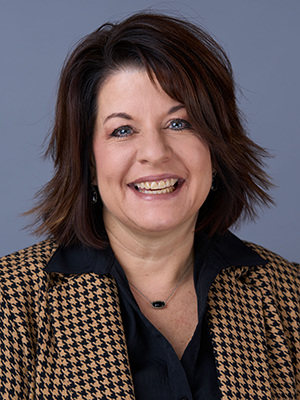
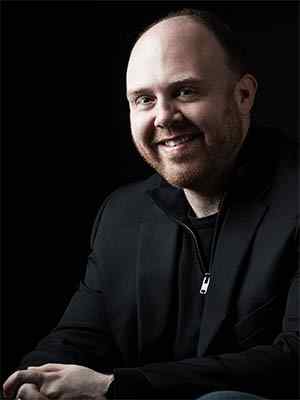
James W. (Jim) Gregory, Ph.D.
Dean, College of Engineering, and Professor, Department of Aerospace Engineering,
Embry-Riddle Aeronautical University – Daytona Beach
Candidate Open Forum: 3:30 p.m. Thursday, October 10, in 141 Woolsey Hall, Fidelity Bank Ballroom.

Gregory
Cover Letter
Dear Search Committee Member,
It is my pleasure to apply for the position of Senior Executive Vice President and Provost at Wichita State University (WSU). I’ve been an admirer of Wichita State over the years – both as a research collaborator with WSU faculty and staff, and as an observer of WSU’s growing impact – so it is a pleasure to explore this leadership opportunity. I strongly resonate with WSU’s strategic emphasis on helping families through access and affordability, building the talent pipeline, and increasing economic prosperity. I’m also energized by the challenges of pursuing R1 Carnegie classification, growing enrollments despite the enrollment cliff, and burnishing academic quality, all while maintaining a laser focus on student success and wellbeing. Wichita State’s strong emphasis on paid, experiential learning opportunities is appealing to me. Finally, while I’m naturally drawn to WSU and Wichita’s deep aerospace legacy, I’m most excited about the prospect of joining a university with a broad, diverse array of disciplines. For example, the opportunities emerging through the new Wichita Biomedical Campus are exciting for academic integration and community impact! I thrive in leading cross-functional teams to develop innovative, creative solutions to tough problems and am eager to lead academics spanning Applied Studies, Business, Engineering, Fine Arts, Health Professions, Innovation and Design, and Liberal Arts and Sciences. For these reasons I’m intrigued by the Provost opportunity at Wichita State, and would welcome the opportunity to explore the position through an interview. Below I summarize my experience and strengths relative to the position profile and will conclude with a brief description of my vision for the future at Wichita State.
Provide visionary academic leadership and deepen community engagement
My leadership is focused on people, stemming from a deep passion for human flourishing. My approach to leadership is best described as a transformational leadership style, in which I inspire those around me to coalesce around a common vision and empower the team to achieve results. Through thoughtful alignment of objectives and individuals’ strengths, I build intrinsic motivation and commitment to shared goals. With my approach to leadership, my teams have achieved amazing results! For, example:
- Academic excellence: Vaulted ERAU’s prestigious aerospace engineering program into the Top 5 and the College of Engineering into the Top 100 for the first time (U.S. News).
- Student success: Exceeded first-year retention targets, catapulting from 79.9% to 88.5% in just two years. The College was the only one in the University to hit the target.
- Research focus: Expanded new research awards by 47% over a two-year period.
- Community engagement: Recruited Boeing to establish a new on-campus facility, creating 400 new, high-paying jobs. Establishing pathways for students internships and full-time positions.
My approach to leadership leverages high emotional intelligence and the courage to make difficult decisions. I don’t hesitate to take on the thorniest, most difficult matters because I always endeavor to base decisions on a reasoned, data-driven, mission-focused approach. For example, I have:
- Made the tough call on space allocation, providing space to those who are research active, and merging labs into shared space when the faculty productivity is insufficient.
- Allocated new faculty lines according to academic program growth and research output, rather than favoritism or relationships.
- Made tough decisions to remove people from positions of responsibility when the mission was not being fulfilled, even when those individuals are close friends.
Prioritize enrollment growth across all academic disciplines at undergraduate and graduate levels
In my current role, the college of engineering has experienced dramatic growth, with over 28% growth over a 3-year period. This dramatic growth has been the financial lifeblood for the success of the University; it also presents a leadership challenge to provide an outstanding education to students despite lagging resources. Within the context of Embry-Riddle’s centralized budget model, I’ve successfully advocated for and received 14+ faculty lines, with another allocation coming in this recruiting cycle. I’ve also secured an existing building to add to the College’s footprint for lab space and graduate student offices, with the renovations concluded and occupancy happening now.
I have achieved these enrollment gains by partnering closely with the faculty, enrollment management, and marketing to develop custom-tailored marketing strategies, cultivating a welcoming environment on campus, and targeted outreach efforts in specific communities in Florida and beyond. I am also advancing a priority to balance student enrollment across all academic programs in the college, even though aerospace engineering is the signature program that draws students into Embry-Riddle. I’ve led the development of targeted marketing and communication strategies for degree alternatives to students. I’ve also spearheaded the development of a new degree program in systems engineering to help enhance the academic portfolio of the college and meet industry needs.
In the realm of graduate student recruiting, I am working with key faculty to build targeted partnerships with peer institutions in India, Italy, Spain, and Columbia. These partnerships are based on existing relationships and include dual-degree programs and research collaborations. I am also finalizing a relationship with an external firm that specializes in the graduate student pipeline, funneling new qualified applicants to our programs.
Strongly advocate for the continued growth of research and scholarship and the use of cutting-edge technology
In my time as a center director at Ohio State, research expenditures grew by 175% over a three-year period. At Embry-Riddle, I brought a new Associate Dean for Research onto my team, and we have partnered to catalyze 47% growth in new research awards over a two-year period. And all the while I have increased the impact and visibility of the scholarly work being done by faculty colleagues. We’ve achieved this strong growth in our research activity through aggressive hiring of outstanding early career faculty who are research active, and by incentivizing research growth by mid-career faculty who had never had the opportunity to invest in research output. Incentivization programs include seed grant opportunities tied to university and college strategic research thrust areas, and mentoring programs for faculty to win signature awards. Outcomes directly tied to incentivization programs include 2 NSF CAREER awards, 15 journal papers, 34 conference papers, and $1.35M in new grants.
Support and enhance Wichita State University’s deep commitment to inclusive excellence
I maintain a sustained emphasis on building community and a sense of inclusive belonging for people across a wide spectrum of backgrounds, race, ethnicity, and beliefs. I appointed the first-ever Diversity, Equity, and Inclusion committee in the college, tasking the group to develop a series of policy recommendations in collaboration with me, and successfully garnering a Bronze Recognition under the ASEE Diversity Recognition Program. Under my leadership, faculty have conducted a pilot program to shape male students’ empathy, professionalism, and perceptions of gender equity in STEM disciplines – this study had a strong, positive impact on our male student population, and we are currently expanding the scope to reach all first-year students with the new curriculum. I also make a point to personally engage with students from a diverse set of backgrounds and identities, through regular visits and listening sessions with affinity groups (NSBE, SWE, SHPE, OSTEM, etc.) and providing generous support for students to attend national conferences.
Ensure student-centeredness and success is infused into all University strategic efforts
Student success is at the core of everything we do at Embry-Riddle – it’s the top priority and value in our strategic plan. I maintain this emphasis on student wellbeing and student success at every turn. At college retreats and town hall meetings (3x/year), department faculty meetings, and in all of my communications I maintain our focus on student success. Perhaps the most impactful thing I’ve done is create a new weekly newsletter (the “Dean’s Logbook”) where I share reflections, celebrate successes, and emphasize our mission and values. It’s more like a personal diary than an informational email – and the impact has been stunning. I have many faculty colleagues who stop me in the hallway to thank me for these notes, and share how it helps motivate them, lift their spirits, and maintain focus on what matters. I have also led the development of specific student success initiatives such as a new tutoring center and a peer-mentoring approach woven into first-year courses. One of the key metrics where we have seen success is in first year retention, where the college has leaped from 79.9% to 88.5% in just two years.
Recruit, retain, and mentor faculty and staff in a teaching and research environment ensuring academic quality and distinction
One of my top priorities at both Ohio State and at Embry-Riddle has been to advance people. In both institutions I have tackled pay inequities across gender and racial demographics. I have actively promoted and mentored women and people of color to help diverse populations advance in their careers. At Embry-Riddle I have provided oversight of the recruiting, hiring, and onboarding of approximately 30 faculty over a three-year period. I have provided funding, motivation, and oversight for faculty mentorship programs to promote new skills and competencies. I’ve applied similar investment strategies for our outstanding staff as well, helping them develop professional skills such as executive thinking, program management, multi-tasking, customer service, etc.
Provide leadership in fundraising, revenue generation, and astute fiscal stewardship to support WSU’s aspirations and priorities
In fiscal management, I lead through a transparent approach whenever feasible. I typically share the rationale for my budgetary decisions and share information with those who need to know. I can do this without fear since decisions are made with a clear-eyed focus on our mission and values. I’ve also excelled in the cultivation of new resources, including an innovative graduate fellowship program that was jointly funded by two different companies (Intuitive Machines and Columbia Sportswear), and a $3M in-kind gift for the launch of an Embry-Riddle student payload to the Moon. Faculty in my college have also grown adept at developing new curricula for industry (e.g., certificate programs), which result in increased revenue for the college and the faculty involved.
Vision
I’ll endeavor to share some visionary thoughts about the potential future of Wichita State University. These thoughts are, of course, from an outsider’s perspective, without the benefit of context, relationships, or deep knowledge beyond what can be found on the WSU website. I think the looming enrollment cliff will be the most significant challenge facing WSU in years to come. This can be met head-on through a two-pronged approach: 1) Offer an outstanding education and market WSU’s distinctiveness to prospective students in extraordinary ways, such that WSU is competitive with other regional and national universities. 2) Recruit from global populations that are not in decline. Despite the coming population decline in the U.S., there will still be robust population growth in India, Indonesia, and many African nations for years to come. WSU can build focused relationships for targeted recruiting pathways to bring the world to Kansas. This also has the positive effect of improving the Kansas economy through a highly-educated talent pipeline to drive innovation and economic growth.
In the pursuit of R1 status, innovative strategies for incentivizing doctoral studies are needed. Incentivization programs can help faculty connect in new ways with the robust interdisciplinary research activities happening on campus, leading to doctoral student advising in related areas. Depending on available resources and philanthropic support, new University fellowship programs can be created for doctoral student support.
Finally, faculty and staff are the lifeblood of the university. My understanding is that there is a pay gap between WSU and market rates. I would endeavor to take a thoughtful, data-driven, transparent approach to addressing pay inequity and pay gaps, with the goal of fostering equity and bringing WSU up to market rates. I would also develop innovative recruiting strategies such as development of targeted hires in signature areas, in ways that advance the diversity of the faculty and staff body.
I would be delighted to engage with the Wichita State University Provost search committee and the campus community through your interview process. I’m eager to discuss the aspirations of the University community and to explore in-depth how my experiences and traits make me an ideal candidate for the next Provost. I’m particularly eager to share other aspects of who I am – including my disciplinary breadth and ability to lead multi-disciplinary teams towards academic excellence. You can reach me on my personal email at xxxxxxxxxxxx or on my cell phone at XXXXXXXXXXXX if any further information is needed, or to discuss next steps.
Sincerely,
James W. Gregory, Ph.D.
Dean, College of Engineering
Embry-Riddle Aeronautical University
Biography
The following is reproduced from Dr. Gregory's bio page on the Embry‑Riddle Aeronautical University Daytona Beach website
Dr. Jim Gregory is Dean of the College of Engineering at Embry‑Riddle Aeronautical University Daytona Beach campus, which is home of the largest Aerospace Engineering program in the US. He received his doctorate and masters degrees in Aeronautics and Astronautics from Purdue University in 2005 and 2002, respectively, and his Bachelor of Aerospace Engineering from Georgia Tech in 1999, graduating with highest honors. Dr. Gregory is a Fellow of the American Institute of Aeronautics and Astronautics and a Fellow of the Royal Aeronautical Society.
Dr. Gregory took on leadership of the ERAU College of Engineering in August 2021. The College has over 116 permanent faculty and 24 staff, with an annual budget of $29.2M, serving over 3500 undergraduate and graduate students. With five departments (including a top-10 ranked Aerospace Engineering program), the College offers 19 bachelor’s, master’s, and doctoral degree programs. The College of Engineering has a rich tradition of excellence in engineering education, with a vast array of well-equipped laboratories that facilitate hands-on learning. The COE is also growing in research expertise, with the John Mica Engineering and Aerospace Innovation Complex serving as home to many of the College’s research laboratories, including a large subsonic wind tunnel, the Eagle Flight Research Center, and incubator space for industry-academic collaborations.
Prior to joining Embry‑Riddle, Dr. Gregory was a faculty member at The Ohio State University (2008-2021), most recently serving as Chair of OSU’s Department of Mechanical and Aerospace Engineering. He provided oversight for academic programs in Mechanical, Aerospace, and Nuclear engineering, with nearly 80 faculty and 30 staff educating and serving about 1600 undergraduate and 300 graduate students. Dr. Gregory was responsible for oversight of a $16M operational budget and facilities in the 230,000-square foot Scott Laboratory, with annual research expenditures of about $26M.
Dr. Gregory served as Director of the Aerospace Research Center from 2017-2020, where he expanded interdisciplinary collaborations to include colleagues from aerospace engineering, industrial engineering, electrical engineering, mechanical engineering, and medicine. Under his leadership the Center’s annual research expenditures grew from $2.8M to $7.7M over a 3-year period. He also expanded engagement to include over 15 faculty, approximately 50 students, 6 research staff, and 7 support staff.
Dr. Gregory’s research interests lie at the intersection of Unmanned Aircraft Systems (drones) and unsteady aerodynamics, including flight testing of vehicle performance, systems integration studies, robust flight of UAS in all weather conditions (wind and icing), unsteady airfoil loading, and low-Reynolds number rotor wake studies. Funding for his work since 2008 has totaled over $20M, including grants from ARO (Young Investigator Award), ARL, AFOSR, AFRL, FAA, NASA, Sikorsky, Honda R&D, the Ohio Federal Research Network, and the Ohio Department of Transportation. Dr. Gregory served as PI for Ohio State as a core member of the ASSURE FAA Center of Excellence on Integrating UAS in the National Airspace System, and was the lead PI for the Ohio Department of Transportation’s $6.9M Unmanned Aircraft Traffic Management (UTM) system. He has published over 60 archival journal publications and over 100 abstract-reviewed conference papers. His research has resulted in the Thomas Hawksley Gold Medal, a best paper award presented by the Institution of Mechanical Engineers (IMechE) across all of their journals; and the Alfred Gessow Award for co-author of the Best Paper at the 68th American Helicopter Society Forum. Dr. Gregory also led a team of researchers and students to set official world records for speed and distance for an autonomous drone in August 2017 (sanctioned by NAA and FAI, and reported on in Aviation Week magazine).
Dr. Gregory’s teaching innovations have led to the NAA Frank G. Brewer Trophy, which honors significant contributions of enduring value to aerospace education in the United States. He has also been recognized with the OSU College of Engineering’s McCarthy Engineering Teaching Award, the OSU Department of Aerospace Engineering Outstanding Professor Award, and the SAE Ralph R. Teetor Educational Award. He has produced a video lecture series on the Science of Flight, in collaboration with the Great Courses and the Smithsonian Institution’s Air & Space Museum. This video course, with 24 half-hour lectures, has sold over 14,000 copies with an additional 25,000 hours of online streaming since June 2017. Dr. Gregory has also made his own video recordings of his Introduction to Aerospace Engineering course, and has used these to “flip” the classroom in this large, sophomore-level course, leading to a full letter grade improvement in the class average. He has also developed a number of innovative design projects and labs including an international collaboration for aerial detection of buried landmines, high-altitude balloon launch, analysis of US Airways flight 1549 flight recorder data, glider design/build/fly, and airfoil design/build/test using rapid prototyping.
Dr. Gregory’s work experience includes stints at the US Air Force Research Laboratory Air Vehicles Directorate, Delta Air Lines, NASA Glenn Research Center, Tohoku University in Japan, and as a Fulbright Scholar at the Technion in Israel. He has also served as a policy fellow at the National Academy of Engineering through the Christine Mirzayan Science & Technology Policy Fellowship. He also completed a postdoctoral fellowship at the U.S. Air Force Academy, funded through the National Research Council Research Associateship Program. He is an instrument rated commercial pilot, with over 400 flight hours in single-engine aircraft, and is one of the first holders of a remote pilot certificate under part 107.
View James Gregory's Curriculum Vitae (pdf)
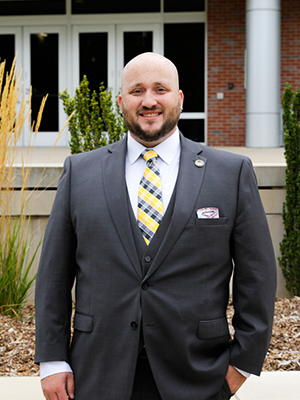
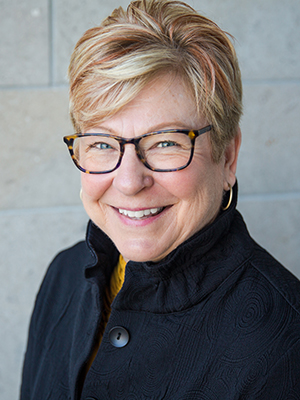
Monica Lounsbery, Ph.D.
Dean, College of Health and Human Services,
California State University, Long Beach
Candidate Open Forum: 3:30 p.m. Monday, October 21, in 141 Woolsey Hall, Fidelity Bank Ballroom.

Lounsbery
Cover Letter
Dear Search Committee:
Today, higher education faces a myriad of challenges including but not limited to funding, enrollment, student success and debt, politicization, and societal attacks about its value. Institutions of higher education must respond well to these and future challenges. It needs leaders that are listening, responding, facilitating, and leading change. I am deeply convinced that Wichita State University (WSU) is on an exciting path forward. The university’s strong academic programs and emphasis on innovation and entrepreneurship are particularly appealing to me. I find that WSU’s clear strategic goals and established priorities lean into the future of higher education, and they align well with my experience. For these reasons, I am formally applying for the position of Senior Executive Vice President and Provost.
With over 20 years of higher education leadership experience, I have amassed a strong record of visionary leadership and organizational and programmatic transformation. It is through these extensive and diverse administrative experiences that I feel uniquely qualified to serve in the role of Senior Executive Vice President and Provost. Currently, I serve as Dean of the College of Health and Human Services (CHHS) at California State University, Long Beach. Leading one of the most diverse colleges in the California State University system, I oversee nearly 9,500 students with over 600 faculty and staff. In addition, I have held several key positions at the University of Nevada, Las Vegas including roles as Associate Dean in the School of Medicine, Vice Provost, Associate Vice Provost, and Founding Chair of the Department of Sports Education Leadership.
Throughout my leadership career, I have consistently demonstrated ability to build the academic and research enterprise, propel innovation, and promote student success. As my curriculum vitae (CV) indicates, I have administrative experiences at the department, college, and university levels. These experiences have afforded me unique perspectives that as dean, have proved extremely helpful in shaping culture and advancing academic and inclusive excellence. To demonstrate the alignment of this position with my administrative experience, skills, and interests, I have organized my letter to address many of the key opportunities and challenges outlined in the search profile.
Upon reviewing my CV, you will find that I am a seasoned visionary and transformational academic leader. I have experience advancing community engagement and partnerships and growing extensive and diverse graduate and undergraduate programs. I have successfully navigated budget and infrastructure challenges while creating opportunities for new collaborative partnerships that enhance our mission. Listening, understanding, and growing trust are paramount to advancing community partnerships and shaping a strong and cohesive campus culture. As an administrator, and I am committed to these practices. I am dedicated to shared governance and have substantial experience in developing metrics for transparent, data-driven decisions on sensitive issues such as tenure-track hiring, policy implementation, and new program development.
Declining student enrollment is a challenging problem facing many institutions of higher education and there isn’t a simple solution. Yet, it is exciting to see that WSU is bucking this nationwide trend. Being number one in the state for transfer enrollment is super! In my experience, development of a wellthought- out, sustained, and multi-pronged approach that establishes evaluative metrics coupled with a commitment to the systematic use of data to inform modifications, programs can successfully grow enrollment. The work of student recruitment is never done and facilitating strong, nimble, and adaptable infrastructure to support it is critical.
I am passionate about promoting, supporting, and cultivating research and scholarship. I believe research is the university’s lifeblood as it fuels innovation, contemporary and high impact education, faculty career trajectory, university partnerships, and raises the profile of the institution. Thus, I place high value on supporting research time, space, and equipment and believe it should be a central part of the university strategic plan and reflected appropriately in the budget. As dean, I have made strong investments in our research infrastructure including increased funding for faculty travel, lab renovation, equipment procurement, start-up funding, and new technologies. Additionally, one of our strategic plan goals is to increase externally funded research and indirect cost return to the college, departments, and principal investigators. To support this goal, we implemented a faculty grant incentive program and in just a few short years, we have seen a five time increase in our new grant awards and indirect cost return has grown from $36K annually to $1.6M.
As dean, I have fostered a culture grounded in the belief that all students should have the opportunity to succeed, making student success a central focus of my role. Like many institutions, we have prioritized inclusive excellence and student access to the university and implemented several initiatives to enhance retention, progression, and graduation rates. I fully understand the need for, and am committed to, advancing supports that enable all students to thrive. Over the past four years, we have tackled challenges to student progression, such as imposture syndrome and bottleneck courses and we have implemented a first year experience, developed affiliation groups, streamlined degree unit requirements, strengthened the connection between degree programs and career pathways, and improved communication, advising access, and basic needs support. Recognizing the growing importance of mental health services on campus, CHHS partnered with University Counseling and Psychological Services and Mental Health America, Los Angeles, to develop and pilot an embedded peer mentoring program. We have since expanded this effort by placing MSW student interns within departments to extend support for student mental health needs.
As indicated throughout my CV, I have extensive experience in recruiting and hiring various kinds of faculty and staff, and I have actively mentored and led mentoring programs to support the skill and career advancement of numerous administrators, faculty, and staff members. I strongly believe in and enjoy facilitating the advancement of careers. In recent years, I have helped facilitate the promotion of three faculty members to associate dean roles, with one of my associate deans being appointed as dean. As an academic leader, I firmly believe in fostering a growth mindset and promoting it among our students, faculty, and staff as a core value. I am deeply committed to facilitating growth for all members of our community. To reflect this commitment, we have implemented a range of mentorship and professional development programs for faculty and staff at various stages of their careers.
I use a strategic and creative lens to manage large and complex budgets. I believe in sound fiscal management and expenditures that reflect strategic goals. As dean, I have administrative oversight of nearly a $50M budget. I designed and promoted the use of a multi-faceted approach to streamline budgetary expenditures and grow revenue to eliminate a $1.5M deficit and now, we have a multi-million dollar surplus. My college team has shared our program cost and revenue model with the campus divisions, the CSU Chancellor’s Office, and other CSUs.
Fundraising is a passion for me. One of the greatest challenges to fundraising for institutions is scarce infrastructure to effectively support cultivating and stewarding donors as well as marketing, branding, and ongoing alumni, private donor, and business/industry engagement. I believe a good share of the alumni relations and their systematic engagement really needs to be the work of the faculty. Ongoing engagement with our students is something that countless alumni have told me they are eager to do but often are never asked because the university does not structure alumni relations this way. As well, universities often have limited infrastructure and systems to support communications, marketing, and donor cultivation / stewardship. As Senior Executive Vice President and Provost, I would be eager to learn more about the fundraising history and current infrastructure so that I could work with the campus leadership to evaluate fundraising goals and invest time and resources aimed at fully optimizing structures and systems to advance our work in this area.
Alumni and donors want to give to things that they know about, are insprired by, and want to be part of now and in the future. For example, over the past three years, I have been working to develop a partnership with a local health care provider and CHHS to launch a collaborative health care clinic that will serve the campus and the local community. In our clinical model we will use the same facilities and equipment to both educate students and provide health care to patients. Existing university and clinical partner resources and new resources funded by the clinical revenue will support personnel and operating. Working together will substantially cut personnel and operating costs for both the university and our clinical partner and will result in increased quality of our clinical education programs and health care provided to patients. It will also result in the ability to care for and educate a larger number of people without adding cost. There are number of incredible mutual benefits for both the university and our clinical partner with this model that I can share with you during an interview, but this is the kind of innovation that inspires people to give and, in this case, resulted in a $10M gift agreement that will allow us to increase the building square footage for this clinic space. Over the course of my eight years a dean, I have raised over $31M in private runding and am set to raise another $5-10M over the next academic year.
In summary, my administrative background and accomplishments span the department, college, and university levels across two university settings not too dissimilar to WSU. These diverse experiences afford me unique perspectives that as Senior Executive Vice President and Provost will prove extremely helpful in advancing the university. I am selectively looking for the next step in my career trajectory and I see this position as uniquely aligned with both my administrative passions and career goals. Thus, I sincerely hope that I will have the opportunity to learn more about this position and WSU during an interview. Please contact me should questions concerning my application arise.
Sincerely,
Monica Lounsbery, Ph.D. Dean, College of Health and Human Services,
California State University, Long Beach
Biography
The following is reproduced from Dr. Lounsbery's bio page on the California State University, Long Beach website
Dr. Monica Lounsbery is Dean of the College of Health and Human Services at California State University, Long Beach (CSULB). Prior to her current appointment, Dr. Lounsbery held various administrative positions at the University of Nevada, Las Vegas including department chair, associate vice provost, vice provost, and associate dean for faculty affairs in the School of Medicine. Dr. Lounsbery’s research focuses on increasing population level physical activity and she has published extensively in this area. In recognition of her scholarly achievements, she has reached fellow status in three academic organizations, including the National Academy of Kinesiology.
View Monica Lounsbery's Curriculum Vitae (pdf)