

2025-2026 Annual Report
LETTER FROM THE DIRECTOR
This annual report reflects a year of growth, collaboration, and innovation for Student Outreach & Support. As student needs continue to evolve, our department remains committed to providing responsive support, removing barriers to student success, and strengthening the network of resources available to Wichita State students. Through strategic partnerships, expanded services, and meaningful engagement with campus and community partners, we have continued to advance our mission of supporting student well-being and persistence.
One of the most exciting milestones this year was welcoming our first Master of Social Work student as a practicum placement within Student Outreach & Support. This opportunity emerged through a collaborative partnership between the School of Social Work, the Spero program, and Student Outreach & Support. Recognizing our expertise in case management and student support, the School of Social Work and Spero approached our team to provide supervision, skill development, and hands-on learning opportunities for a practicum student serving participants in the Spero program. Through this experience, the practicum student provided non-clinical case management services while Student Outreach & Support strengthened its partnership with Spero, enhancing our understanding of the unique needs of students participating in career readiness programming and increasing access to individualized support and campus resources.
Another significant accomplishment was our effort to strengthen community partnerships. Through outreach activities, community tours, relationship-building meetings, and data collection efforts, we gained valuable insight into challenges students face, particularly housing instability and other basic needs concerns. These efforts allowed us to identify service gaps and better align community resources with student needs.
As a result, Student Outreach & Support established a partnership with local housing organizations and became a referral partner with community housing providers. This collaboration expanded options for students experiencing housing insecurity and improved our ability to connect them with timely, effective support. By fostering these relationships, we are creating a stronger safety net for students on and off campus.
Looking ahead, we remain committed to building innovative partnerships, utilizing datainformed practices, and expanding opportunities that promote student success. The achievements highlighted in this report demonstrate the dedication of our staff, campus partners, and community collaborators. Together, we are making a meaningful impact on students' lives and strengthening Wichita State University's commitment to student care, access, and achievement.
Katie Davidson
Director, Student Outreach & Support
MEET THE TEAM
FULL TIME STAFF
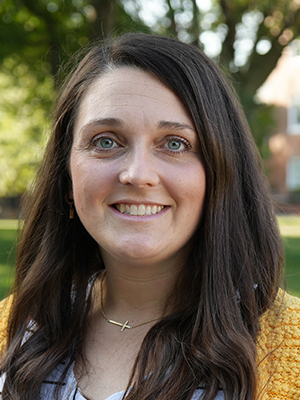
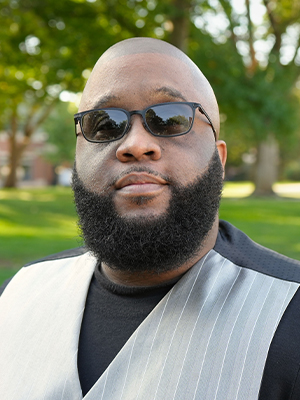
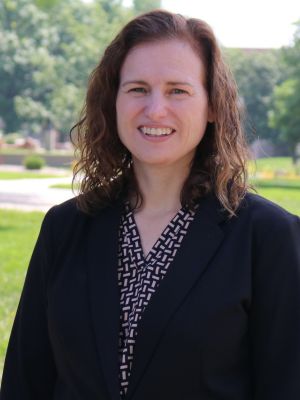
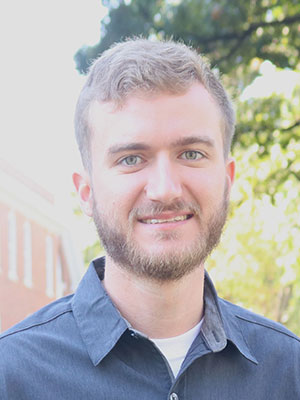

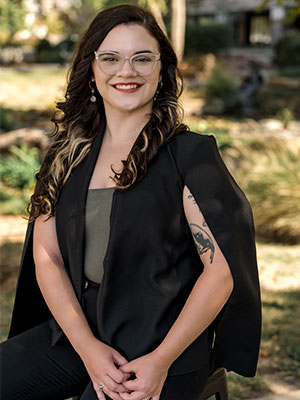
STUDENT STAFF
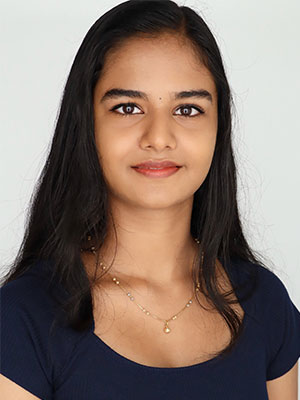
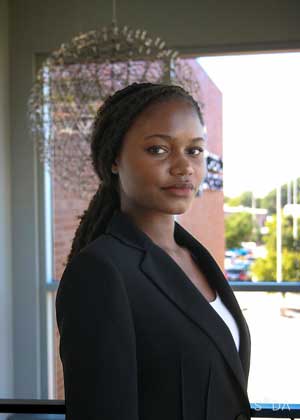
MISSION & VISION
Higher Education Case Managers serve the University and individual students by coordinating intervention and support efforts across campus and community systems. They assist at-risk students who are facing crises, experiencing life stressors, and encountering barriers that impede their success.

Mission: To connect every student to resources on campus and in their respective communities that foster wholeness and facilitate academic success.
Vision: To be one of the state’s leading student support teams, known for advocating for student wellness and academic completion.
SOS AT A GLANCE: CASELOAD OVERVIEW & DEMOGRAPHICS
1,247 Reports Received
1,075 Unique Cases - 73% (789 students) First Generation
993 domestic students referred, compared to 82 international students referred
(39 not recorded) 92%
284 cases from LAS
137 cases from CAS
152 cases from Eng.
124 cases from CFA
136 cases from CHP
121 cases from BUS.
30 cases from Honors
82 case from Grad
39 cases from Not Enrolled
Gender Identity
34.2% Male
64% Female
1.8% Undisclosed
Freshmen and Seniorswere the most frequently reported classifications among bothFirst Generation and non-First Generationstudents. This trend is common, as both groups are experiencingsignificant life transitions, with Freshmen adjusting to college and Seniors preparing for graduation and post-college
plans.
Classification
363 Freshman
187 Sophomore
171 Junior
233 Senior
82 Grad
39 Non-Degree
Ethnicity Breakdown
6.4% Multi Race
4% Asian
0.7% American Indian
4.9% International
16.6% Hispanic
11.6% Black Non-Hispanic
46.7% White Non-Hispanic
26% lived on campus (282 students)
32% adult learners (340 students)
1% athletes (14 students)
7% military, veteran, or dependent (79 students)
4% involved in Greek life (45 students)
SOS AT A GLANCE:
| TIME INVESTED | OUTREACH | ENGAGEMENT OUTCOMES |
|---|---|---|
| Average of 30 minutes spent in individual appointments | 3,405 letters/emails sent through Maxient | 1,028 scheduled meetings attended |
| 1,317.61 hours spent on cases department wide | 1,521 phone calls were made as a form of outreach | 59% (634 students) met with a case manager at least 1x |
| 1.5 hours average time from report received to case creation | 188.33 hours spent making phone calls to students | 27% (288 students) were non-responsive to outreach |
| 18 days average time from case creation to case closing | 49 care coodination outreaches with St. Joe hospital | 12% (134 students) declined services |
| Average wait of 48 hours from scheduling until initial meeting | 7 care coordintaion outreaches with Comcare Crisis | 2% (19 students) referred were not currently enrolled |
NAVIGATE360 CASES, ALERTS & ACTIVITY
- KIOSK
729 swipes on department kiosk
107 walk-in students served
24 students dropped in as an
information inquiry - ALERTS TO SOS
23 Intake Survey: Wellness Info
6 Hand Raise: Overwhelmed
2 Intake Survey: Basic Needs
70 SEAS: Emotional Wellbeing
30 alerts turned into opened Maxient cases - APPOINTMENTS SCHEDULED THROUGH NAVIGATE360
911 in-person appointments
192 phone call appointments
157 virtual appointments
223 canceled appointments
166 no-show appointments - TOP ALERTS ISSUED BY SOS
42 Academic Advising
36 Office of Finanicial Aid
32 Success Coaching
30 Office of Student Accommodations & Testing
157 total alerts sent to other departments - SHOCKER SHARE-A-MEAL
WSU’s Shocker Share-a-Meal program was reinstated in January 2026 after taking a semester pause to reevaluate marketing, campaigns, usage, and successful alerts. SOS utilized Navigate to issue the Shocker Share-a-Meal alerts to students beginning in January 2026. Five alerts were sent to 304 students who enrolled in the program from January-June.
PRESENTING CONCERNS & RISK TRENDS
- TOP STUDENT CONCERNS:
517 students reported for direct statements indicating distress
313 students reported expressions of hopelessness, fear, or worthlessness
234 students reported a deterioration of their quality of course work
200 students reported family concerns impacting their academics - UNIQUE PHYSICAL & MENTAL HEALTH CONCERNS
24 door knocks in residence halls
7 welfare checks performed by UPD
37 duty calls to the on-call case manager
30 times EMS was called to campus
84 students reported suicidal ideation
8 overdoses by alcohol, pills, or other substance
21 suicide attempts by 18 unique students
9 student deaths for various reasons - TRANSPORTS
28 medical
23 mental health
HOSPITALIZATION REASON
71 llness or injury
43 mental health
3 alcohol overconsumption
3 drug overdose - UNIQUE ACADEMIC CONCERNS & SUPPORTS
Post hospitalization, SOS assisted with:
5 partial withdrawals
14 full withdrawals
33 students supported with readmission after academic dismissal - UNIQUE BASIC NEEDS
132 students reported lack of access to
basic needs
15 reports of food insecurity
34 reports of housing instability - MILESTONE TRENDS
88x critical milestones used
12 mild to critical cases
26 critical to mild cases
894 mild only cases
CLOSING MILESTONES
956 mild
72 moderate
19 elevated
13 critical - *Milestones are determined by the NABITA Risk Rubric
SUPPORT PROVIDED & OUTREACH EFFORTS
- TOP 4 REFERRALS ON CAMPUS
493 referrals Counseling and Psychological Services
170 referrals Success Coach
167 referrals Student Accommodations and Testing
140 referrals Student Health Services - TOP 4 REFERRALS OFF CAMPUS
87 referrals to COMCARE Community Crisis
36 referrals to United Way
26 referrals to the Crisis Text Line
17 referrals to Wichita Areas Sexual Assault Center - CAMPUS INVOLVEMENT
16 C.A.R.E. Team meetings attended, assessing safety and wellbeing of individual students and the campus community.
12 Students of Concern meetings with Housing and Residence Life (HRL) staff, assessing and addressing common mild severity concerns within students residing on-campus.
6 collaboration meetings with Success Coaches and Office of Student Accommodations and Testing to
discuss supportive approaches with unique populations
2,968 students engaged through various outreach
efforts
48 participated in Unmasking Mental Health
Workshop
287 attended presentations or trainings
320 reached through wellness programming
13 engaged in Transit 101
2,300 learned of SOS services through tabling events - SOS coordinated with the Prevention Ambassadors through HOPE Services to provide end-of-semester
wellness programming supporting students during a high-stress period. Activities included
wellness bags, resource packets, and creative art experiences. Through these initiatives,
SOS engaged 320 students prior to finals week, offering a well-received opportunity for stress relief. Due
to strong participation and positive feedback, this collaborative wellness programming
is anticipated to continue in the upcoming academic year.
SPERO PROGRAMMING & CASE MANAGEMENT SERVICES
The Spero program through the Barton School of Business offers microcredential programs in entrepreneurship and career readiness. Students enrolled in the 16-week program are considered non-degree-seeking students. Upon completion of its pilot year (2024-25), Spero identified students facing non-academic barriers. SOS was asked to supervise a Master of Social Work student providing case management to Spero students and addressing those concerns. This page reflects concerns shared with the case manager and interventions provided.
DEMOGRAPHICS
- 27% Male (10 Students)
- 73% Female (27 students)
AGE
- 13.5% Ages 18-24
- 32.4% Ages 25-34
- 27% Ages 35-44
- 27% Ages 45+
ONGOING & EMERGING CONCERNS
- 8 Financial Instability
- 12 Mental Health
- 4 Physical Health
- 5 Lack of Access to Basic Needs
- 4 Academic & Career Accountability
- 10 Additional Needs (Additional needs included childcare, sober supports, employment opportunities, and domestic violence resources.)
STUDENT ENGAGEMENT & SERVICE DELIVERY
- 21 in-person meetings
- 12 virtual meetings
- 15 students utilized open office hours
- 5 formal resource letters issued program wide
- 97 total resources provided
STUDENT ETHNICITY
- 21.6% Black, Non-Hispanic
- 26% Hispanic
- 21.6% White, Non-Hispanic
- 34% Mixed Race, Non-Hispanic
- 2.7% American Indian/Alaska Native
- 13.5% Undisclosed
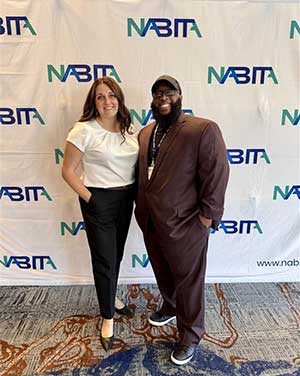
| Katie Davidson & Courtney Lockhart presented at the NABITA Annual Conference. Presentation was titled Chaos to Clarity: Developing SOPs & Risk Informed Outreach. |
 |
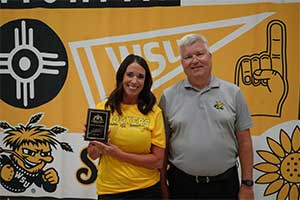 |
Ashley McKinney was awarded the Divisional award of Staff Excellence in Belonging. |
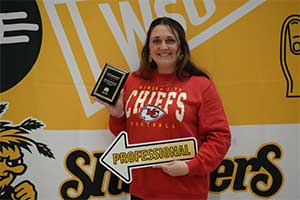
| Katie Davidson was awarded the Divisional award of Professional Excellence, representing Shocker PROUD Standards. |
 |
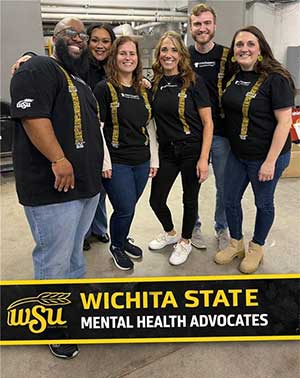 |
SOS was recognized at the Black Out Mental Health Stigma basketball game as a Suspenders4Hope Advocate in their work for preventing suicide and suicide awareness. |
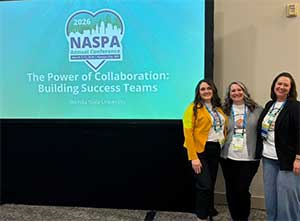
| Katie Davidson presented at the NASPA Annual confernece alongside Academic Affairs on the power of cross divisional collaboration for student success. |
 |
| The Division of Student Affairs hosted their annual DSA Fun Day in June. Four SOS
staff received recognition and were awarded superlative awards. The winners of the awards are nominated by divisional staff. |
|
| Katie Davidson - The Golden Plunger: for going above and beyond the call of duty, especially when things get messy. | 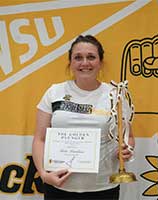 |
| Courtney Lockhart - Most Likely to be Campus Famous: for being recognized by students, staff, faculty, parents, and visitors wherever they go. |  |
| Michelle Geesaman - The Sweetest Connection: most likely to have candy, snacks, or treats available exactly when you need them. | 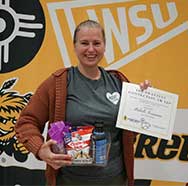 |
| Jared Gulledge - The Dumpster Fire Disposal: for cleaning up messes, solving problems, and preventing small issues from becoming major fires. | 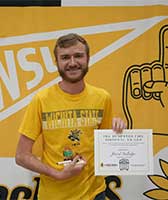 |
APPLIED LEARNING
Applied Learning funds from the State of Kansas supported the hiring of two Student Intake Specialists, strengthening student services and providing valuable professional development opportunities for students.
“As an international student from India pursuing a Bachelor of Science in Nursing at Wichita State University, having an applied learning opportunity has meant much more to me than just having a student job. It has given me the chance to grow professionally, build meaningful relationships, and develop skills that extend beyond the classroom. Working in Student Outreach & Support has helped me feel connected to the university community while gaining valuable hands-on experience.
I wanted to work in Student Outreach & Support because I was drawn to its mission of supporting students. I know firsthand that transitioning to a new country and a new educational system can be overwhelming, and I wanted to be part of a team that helps students navigate those challenges. Being able to contribute to an office that genuinely cares about student success has been incredibly rewarding.
Through this applied learning experience, I have strengthened my communication, customer service, teamwork, problem-solving, and organizational skills. As a Student Intake Specialist, I have learned how to interact with students from diverse backgrounds, actively listen to their concerns, and connect them
with the appropriate resources. I have also gained experience using professional office systems, maintaining confidentiality, and creating a welcoming environment for everyone who walks through our doors. These are skills that will directly transfer to my future career as a registered nurse, where effective communication, empathy, collaboration, and attention to detail are essential for providing quality patient care.”Evlin Charly
Sophomore
Pre-Nursing Major
CONCLUSION
This year marked meaningful progress in Student Outreach & Support's ongoing effort to meet students where they are and connect them with the resources necessary to thrive. By achieving key departmental goals, including the creation of a master's-level social work practicum pipeline and the expansion of Student engagement opportunities beyond the office setting, the department strengthened both its reach and its capacity to serve students effectively.
The work completed this year has also created a strong foundation for future growth. As we continue to refine our outreach strategies and implement targeted Navigate campaigns, we remain focused on delivering more personalized support and fostering earlier connections with students in need. Guided by the lessons learned and relationships built throughout the year, Student Outreach & Support is prepared to continue developing innovative solutions that enhance student success and contribute to a supportive, inclusive campus environment.
AV27 GOALS
- Enhance personalized student outreach through targeted Navigate campaigns and data-informed engagement strategies.
- Increase applied learning and workforce development opportunities through student employment, practicum placements, and structured professional development experiences.
- Increase our out-of-office student engagement programming by 10%.