MyShockerHealth Newsletter • Issue 16 • April 20, 2026
Welcome to the myShockerHealth newsletter!
April has MANY awareness month topics! And, we have done sexually transmitted illnesses,
stress, and many other awareness topics usually recognized in April. But, we choose
to celebrate National Internship Month, just so we can brag about our SHS applied
learning opportunities through our clinical student assistant employees and clinicals/practicums
for health profession students. We also have topics on when to take your vitamins,
Hand-Only CPR, health and wellbeing of Native communities, stress, declining influenza
rates, and a great article by Maggie Fisher, PA-C one of our SHS physician associate
staff members!
Links to the most current newsletter will be posted through WSU newsletters, social
media, and our website, wichita.edu/shs. Enjoy!
For content requests: student.health@wichita.edu
Student Employee Appreciation Week
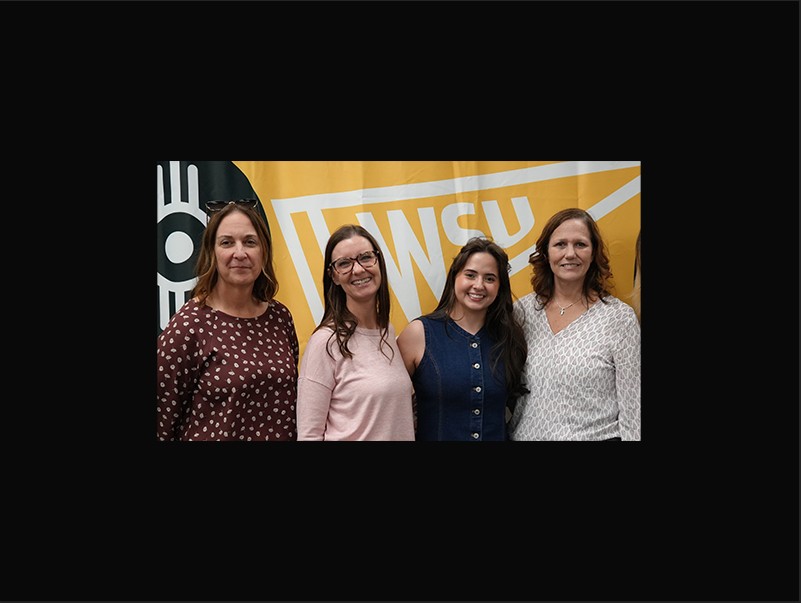
The week of April 13 - 17, we celebrated our Student Health Services and SWC Business
Operations clinical student assistant employees. We hire 10-12 student employees annually
in applied learning positions. Experiences in patient registration and discharge procedures,
laboratory specimen collection and processing, revenue cycle management, patient evaluation
and treatment, emergency response, time management, effective communication, conflict
resolution and leadership are all essential learning objectives that are students
receive in their daily work at SHS. We also have an excellent history of our student
employees being accepted into medical school, undergraduate and graduate nursing programs,
physical therapy and physician assistant programs, audiology, epidemiology and many
other specialty post-graduate degrees! Beyond our student employee experiences, we
also accept over 40 WSU clinical and practicum students through their required primary
care, psychiatric, urgent care or general med rotations. We learn so much from students
in our clinic and they make our work every more enjoyable! Thank you to all of our
SHS student employees!
We completed this week with the nomination of our clinical student employee, Janna
Wagner, for Student Affairs Student Employee of the Year! She may not have won, but
she is the winner at SHS! Thank you for all you do for our patients, Janna!
When to Take Your Vitamins
I have recently started taking a magnesium supplement, menopause has made me rethink
the use of non-prescription ways to treat symptoms. But, did you know that there are
specific ways to take your supplements for the best absorption by your body? WebMD
has provided a guide for what time to take your supplement, if you need food or water with it, and if
you need to take supplements together! By the way, taking mineral supplements, like
magnesium, together will cause a competition for absorption so you may not be feeling
the entire benefits! Now you Know.
Health & Wellness of Native Communities
Check out the Kansas Urban Native Health Summit at the WSU Metroplex on April 30, 2026! This summit will bring together tribal leaders,
health professionals, community members, students, and partners to share knowledge,
build relationships, and strengthen community-driven action. Come together to uplift
the health and wellness of Native communities in urban areas.
Stress Awareness Month
College students frequently experience a peak in mental health crises during April,
driven by the convergence of intense academic pressure, the end of the spring semester,
and the accumulation of stress from the entire academic year. And don't forget the
stress within our faculty and staff that engage and educate the students. Mental Health America has a free, online mental health screening.
Understanding GLP-1 Medication
By Maggie Fisher, PA-C, ATC
What are GLP-1 Medications? GLP-1 (glucagon-like peptide-1) medications are a class of drugs originally developed
to treat type 2 diabetes. They have also been approved to support weight management
in certain individuals. These medications work by mimicking a natural hormone in your
body that helps regulate blood sugar, slow digestion, and increase feelings of fullness.
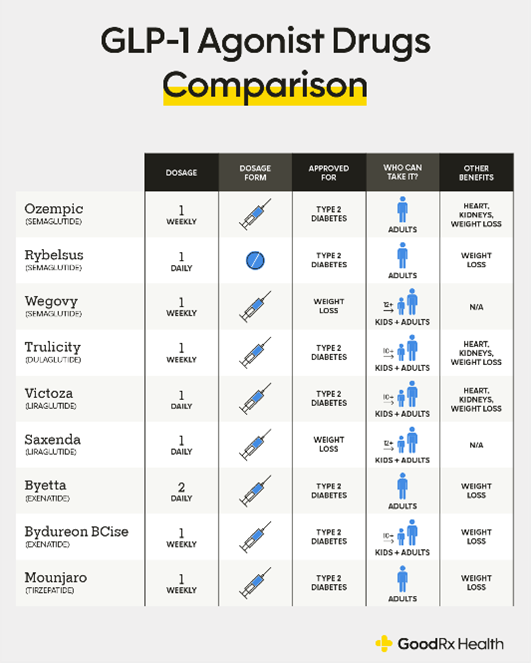
Common GLP-1 medications are: GoodRx has a good comparison of GLP-1 medications.
Why are they getting attention? GLP-1 medications have gained popularity because they can: Lower blood sugar levels,
reduce appetite, improve long-term health conditions and outcomes for some individuals.
However, they are not a quick fix or appropriate for everyone.
Important Considerations! Before considering GLP-1 medications, it's important to know:
- Prescription required: These medications must be prescribed by a healthcare provider
- Medical eligibility matters: They are typically recommended for people with specific
health conditions (like type 2 diabetes or obesity with related health risks)
- Accessibility: These medications, if not covered by your insurance, can be expensive
- Side effects can occur: May include nausea, vomiting, diarrhea and decreased appetite
- Long-term commitment: Benefits often depend on continued use and lifestyle changes.
Social Media and GLP-1s- You may see influencers promoting these medications for weight loss. Keep in mind:
- Not all information online is accurate or safe
- Using prescription medications without medical supervision can be harmful
- Your health needs are unique- what works for someone else may not work for you
Healthy alternatives and support- Student Health encourages a balanced approach to wellness:
- Nutrition counseling
- Physical activity
- Mental health support
- Medical evaluation for personalized care
When to talk to a Provider? Consider scheduling an appointment if:
- You have concerns about weight or blood sugar
- Are curious whether GLP-1 medications are appropriate for you
- Want guidance on safe and effective health strategies
We're here for YOU! Student Health is a safe place to ask questions and get evidence-based care. If you're
unsure about something you've seen online or heard from friends, reach out- we're
happy to help you make informed decisions.
Empowering students to make healthy, informed choices every day.
Respiratory viruses season
Flu levels are significantly decreasing across the country, good news! But, 93% of
the positive Influenza A cases belonged to a new subtype that was not covered in the
vaccine this year (CDC). The number of new respiratory syncytial virus (RSV) cases remain the same, but
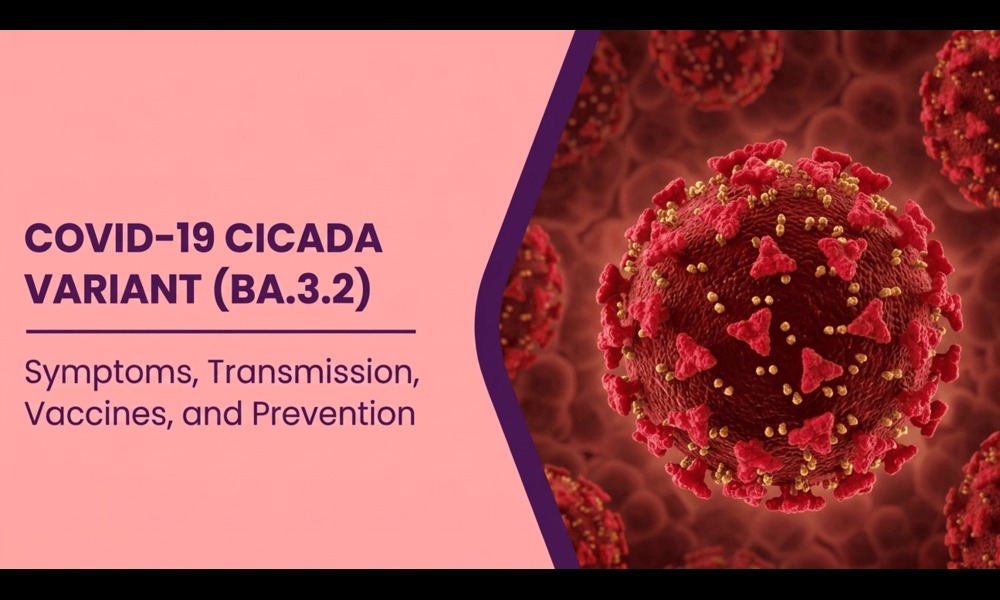
we seem to have gotten past the worst of this spring. Finally, meet Cicada(time.com), the new Covid variant. To reassure you, it is still part of the Omicron
family of COVID viruses so current 2025-2026 COVID vaccines are still effective! Find your Covid vaccine today!