Utilizing integrated data to support stronger decisions and healthier communities across Kansas.



The Kansas Data Trust:

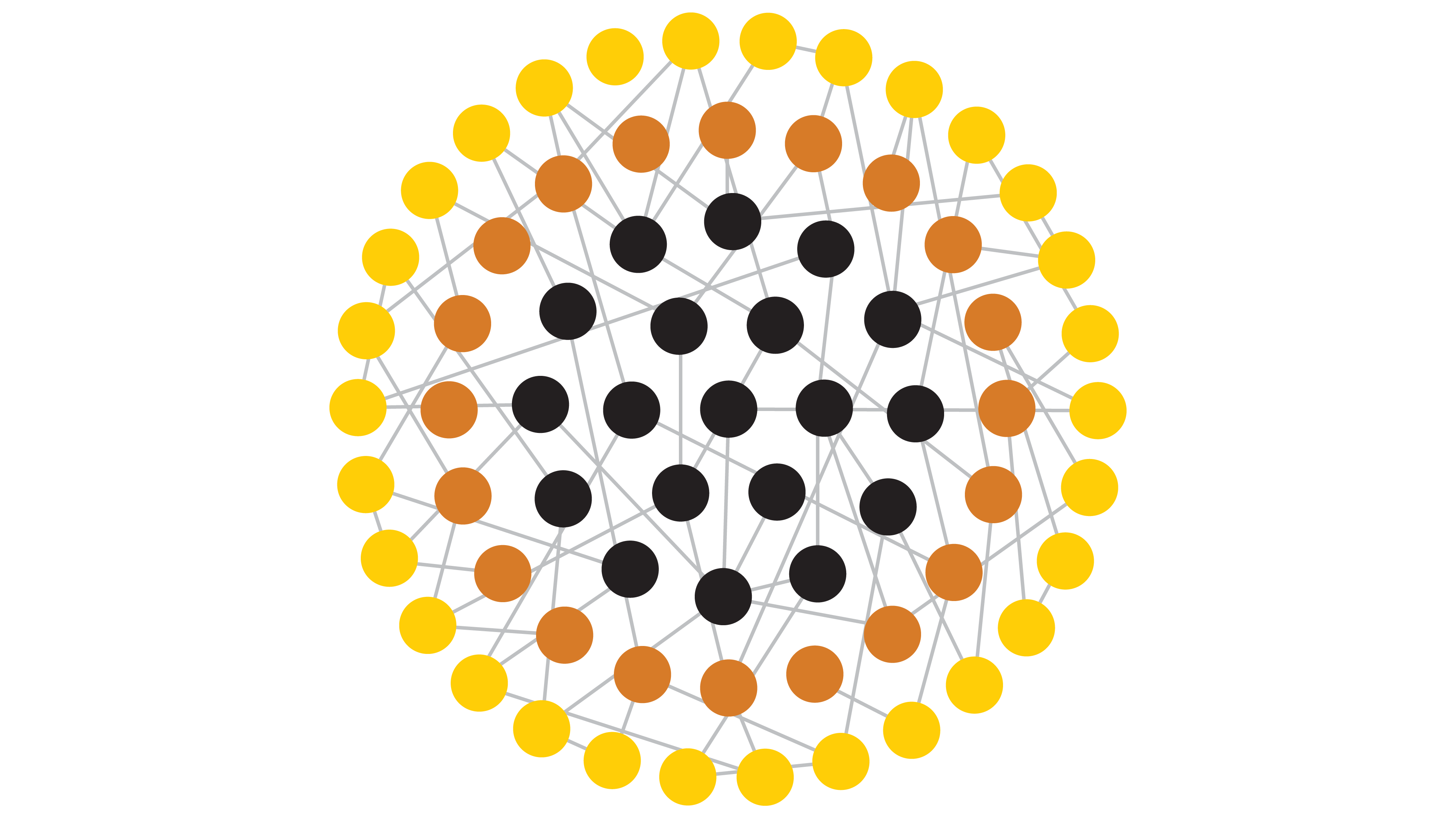
The Kansas Data Trust securely connects data across education, workforce, health, and social services systems that have traditionally operated independently. By responsibly linking these records, the Kansas Data Trust enables a more complete understanding of how programs and outcomes intersect across sectors.

The Kansas Data Trust generates high-quality, cross-sector evidence that moves beyond isolated program metrics. Leaders and policymakers can use these insights to make informed, data-driven decisions grounded in a fuller picture of community outcomes.

By identifying what strategies produce measurable results, the Kansas Data Trust helps communities invest in approaches that deliver the greatest impact. This supports more efficient allocation of public dollars, philanthropic investments, and organizational resources.

The Kansas Data Trust is built with rigorous governance and data security protocols that prioritize confidentiality and responsible use. Personally identifiable information is protected, and insights are delivered in ways that safeguard individual privacy.
By linking data over time and across systems, the Kansas Data Trust reveals which programs, policies, and interventions are truly improving outcomes. This clarity enables communities to scale effective solutions and refine strategies that need improvement.

The Kansas Data Trust brings together leaders from government, education, philanthropy, health, and community organizations across regions of Kansas. This diverse perspective ensures the work remains grounded in real-world experience, regional needs, and shared accountability.
Kansas Data Trust Advisory Council
- Kari Bruffett, President & CEO, Kansas Health Institute (Co-Chair)
- Matt Allen, City Manager, Garden City
- Mike Beene, Assistant Secretary of Commerce, Kansas Deptartment of Commerce
- Scott Brunner, Deputy Secretary of Hospitals & Facilities, Kansas Department of Aging & Disabilities
- Sarah Foreman, Executive Director, Liberal Family Resource Center
- Jennifer Friend, Dean of College of Applied Studies, Wichita State University
- Zach Gearhart, Chief of Staff & Executive Director of Government Relations, Wichita State University
- Donte Martin, Assistant City Manager, City of Wichita (Co-Chair)
- Jay Hall, General Counsel, Kansas National Education Association
- Pierre Harter, Associate Vice President of Research & Industry Engagement, Wichita State University
- Jennifer McKenney, Owner, Fredonia Family Care
- Andy Schlapp, Vice President of Strategy & Government Relations, Wichita State University
- Scott Wituk, Associate Vice President of the Office of Community Partnerships & Executive Director of the Community Engagement Institute, Wichita State University
Kansas is not alone. Across the country, communities are connecting data to better understand complex challenges and improve outcomes.
Iowa
Experts looking into child welfare, education, and health data were able to determine that children in protective serves were falling behind due to a lack of access to early childhood education—leading to real policy changes aimed at closing the gap.
Learn More: Iowa's Integrated Data System for Decision-Making (I2D2)

Colorado
Similar data revealed that the state’s foster children who frequently changed schools were negatively impacted, resulting in the state increasing transportation services so that kids could stay in their schools of origin.
Learn More: Colorado's Statewide Longitudinal Data System (SLDS)
Pennsylvania
Experts linked data from the state’s jails, housing and health systems to identify a trend of individuals cycling between homelessness and incarceration. By redesigning reentry support programs, the state was able to cut recidivism by 20% over two years.
Learn More: Philadelphia's Office of Integrated Data for Evidence and Action (IDEA)

Find Out How You Can Get Involved
To learn more about how the Kansas Data Trust can help organizations across the state, join one of our mailing lists below or email KansasDataTrust@wichita.edu
We are grateful to our funders whose partnership and investment make this work possible, strengthening our capacity to serve communities with excellence and impact.